Your First Visit


October, 2026
Why Does a Tooth Still Hurt After a Root Canal?
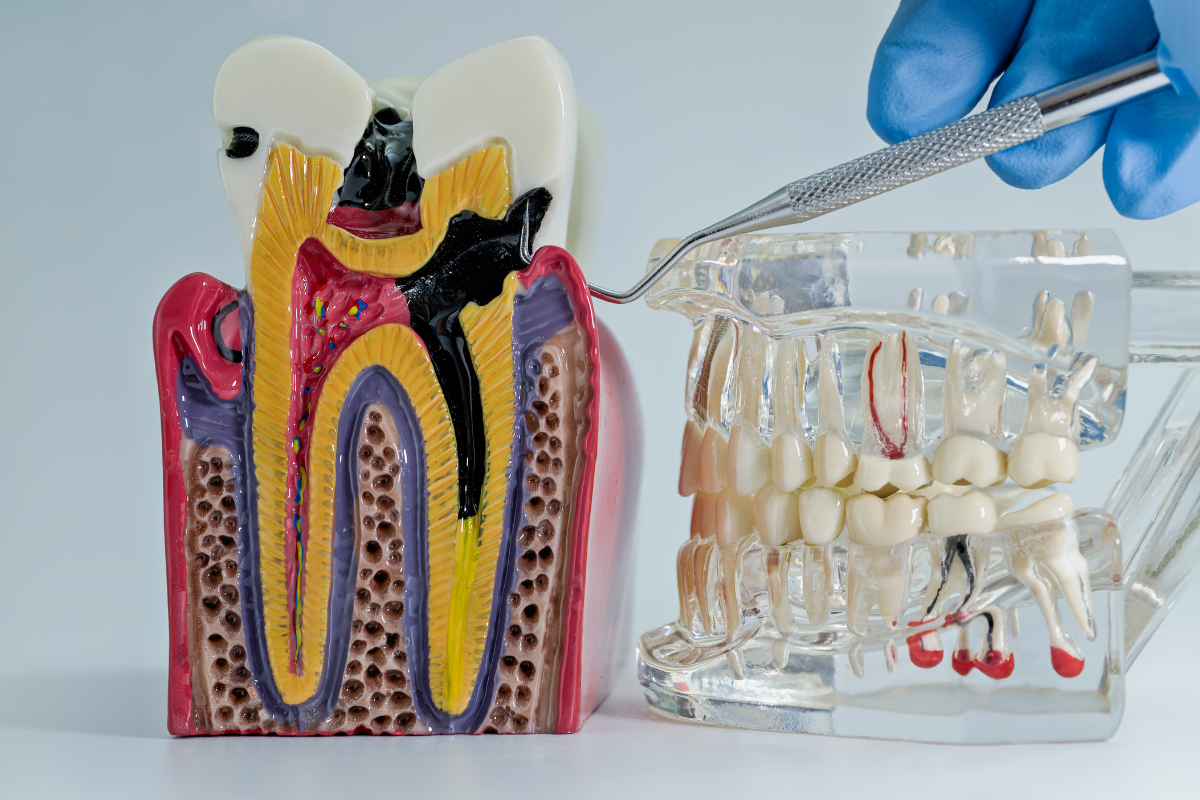
A root canal is performed to treat infection or inflammation inside a tooth and help preserve the natural tooth. So when that tooth still feels sore afterward, it is understandable to wonder whether something went wrong. The good news is that some discomfort after root canal treatment can be part of normal healing. However, persistent, worsening, or returning pain deserves attention because it can have several different causes.
The key is to look at when the pain started, what it feels like, what triggers it, and whether it is improving or getting worse. If you’re looking for root canal care in Raleigh because a previously treated tooth keeps hurting, understanding these differences can help you know when to call your dentist.
At Falls Pointe Dentistry, our team provides restorative and general dental care in Raleigh, including root canal treatment. We can evaluate ongoing tooth pain and help determine whether the tooth is healing normally or needs additional attention.
Is It Normal for a Tooth to Hurt After a Root Canal?
Yes, some soreness or tenderness can occur after root canal treatment.
Although the infected or inflamed pulp is removed during a root canal, the tissues surrounding the tooth’s root can still be irritated. The procedure itself can also temporarily affect the tissues around the tooth. As those tissues recover, you may notice discomfort when biting or chewing.
For many patients, the important factor is not simply whether the tooth hurts, but how the discomfort changes over time.
Mild soreness that gradually improves is generally different from pain that becomes more intense, remains unchanged for an extended period, or disappears and then returns.
Your dentist can evaluate the tooth if you are unsure whether your symptoms are part of normal recovery.
Why Does a Tooth Still Hurt After a Root Canal?
There isn’t one explanation for every case. Persistent discomfort can result from several different factors, including inflammation around the tooth, bite pressure, a problem with the restoration, or a continuing dental infection.
1. The Tissues Around the Tooth Are Still Healing
A root canal treats the inside of the tooth, but the tooth is supported by tissues outside the root. Those surrounding tissues can remain irritated after treatment.
You may notice:
- Mild soreness when chewing
- Tenderness when biting down
- A feeling that the tooth is slightly different from the surrounding teeth
- Minor sensitivity around the treated area
This type of discomfort should generally trend toward improvement rather than progressively becoming worse.
If the pain is gradually decreasing, that can be a reassuring sign. If it is getting stronger or failing to improve, contact your dentist for guidance.
2. Your Bite May Feel Uneven
One commonly overlooked reason for discomfort after a root canal is the way the treated tooth contacts the teeth around it.
If the treated tooth hits harder or sooner than the surrounding teeth when you bite, the supporting tissues can become irritated. This may make the tooth feel sore primarily when you chew or close your teeth together.
A patient may describe it as:
“It feels like that tooth hits first.”
That type of biting discomfort is worth mentioning to your dentist. Your dentist can check how your teeth come together and determine whether the bite is contributing to the problem.
3. The Tooth May Have Had Significant Infection Before Treatment
A tooth that had substantial inflammation or infection before a root canal may have irritated tissues around the root.
Removing the infected pulp addresses the source inside the tooth, but the surrounding tissues may still need time to recover.
This is one reason discomfort after treatment does not automatically mean that the root canal failed.
The pattern matters. A tooth that is gradually becoming more comfortable is different from one that develops increasing pain, swelling, or other new symptoms.
4. The Tooth May Need Its Final Restoration
Root canal treatment is only part of restoring a damaged tooth.
Depending on the tooth and how much healthy structure remains, a dentist may recommend a permanent filling, crown, or another restoration. A properly planned restoration helps return the tooth to normal function and protects the remaining tooth structure.
Falls Pointe Dentistry provides dental crown treatment as part of its restorative services. If your treated tooth still has a temporary restoration or needs a permanent restoration, follow your dentist’s instructions about completing that next step.
Avoid putting unnecessary pressure on a treated tooth before your dentist confirms that it is ready for normal function.
5. There Could Be a Crack or Other Structural Problem
Sometimes the source of pain is not the root canal itself.
A tooth may have a crack or significant structural damage that contributed to the original problem. Depending on the location and extent of the damage, the treatment needed can vary.
Pain that occurs primarily when biting or releasing a bite can be one reason your dentist may want to examine the tooth carefully.
A clinical examination is important because symptoms alone cannot determine whether a tooth is cracked, infected, healing normally, or experiencing excessive biting pressure.
6. Infection May Still Be Present or May Have Returned
In some cases, symptoms can persist because infection or inflammation has not completely resolved.
Root canal anatomy can be complex, and some teeth have canals or anatomy that can be difficult to identify and treat. A tooth can also develop a new problem later if bacteria gain access through decay, a damaged restoration, or another pathway.
Persistent or returning symptoms should therefore be evaluated rather than ignored.
This is particularly important if discomfort is accompanied by swelling, drainage, a bad taste, fever, or increasing tenderness.
7. The Pain May Be Coming From Somewhere Else
Not every toothache after a root canal necessarily originates from the treated tooth.
Nearby teeth, the gums, the jaw muscles, or other structures can sometimes produce pain that feels as though it is coming from one particular tooth.
This is why a dental examination is useful when pain continues despite previous treatment. Your dentist can evaluate the treated tooth along with the surrounding area rather than assuming that the root canal itself is the problem.
What Does Pain After a Root Canal Tell You?
The type and timing of pain can provide useful information, although only a dental examination can determine the actual cause.
Pain When Biting
Pain mainly when chewing or biting may be associated with inflammation around the tooth, excessive bite pressure, structural damage, or other factors.
Tell your dentist if the tooth feels unusually high when you close your mouth.
Throbbing or Increasing Pain
Pain that becomes stronger instead of gradually improving deserves professional attention.
Especially contact your dental office if increasing pain is accompanied by swelling or other signs of infection.
Pain That Returns After You Felt Better
A tooth that initially becomes comfortable and later starts hurting again may need to be reevaluated.
Possible explanations can include a new dental problem, reinfection, a restoration issue, or another source of pain.
Rather than assuming the root canal has failed, have the tooth examined.
Swelling Along With Pain
Swelling around the tooth or face should not be ignored.
If you develop significant facial swelling, difficulty breathing or swallowing, or other serious symptoms, seek urgent medical attention.
How Long Should Pain Last After a Root Canal?
There isn’t a single recovery timeline that applies to every patient or every tooth.
Some people experience mild soreness for a few days, particularly when biting. The condition of the tooth before treatment, the complexity of the treatment, and individual healing can all affect the recovery experience.
The direction of the symptoms is often more useful than focusing on a specific number of days.
If discomfort is steadily decreasing, continue following the aftercare instructions provided by your dental team.
If pain is worsening, persistent, severe, or returns after initially improving, contact your dentist for an evaluation.
What Can You Do If Your Tooth Hurts After a Root Canal?
Follow the specific instructions provided by your dentist. In general, patients may be advised to:
- Avoid chewing heavily on the treated tooth until the dentist confirms it is ready.
- Follow recommended medication instructions carefully.
- Maintain normal oral hygiene unless your dentist gives you different instructions.
- Avoid delaying the permanent restoration when one has been recommended.
- Pay attention to changes in pain, swelling, or other symptoms.
- Contact the dental office if symptoms are persistent, worsening, or concerning.
Do not assume that severe or increasing pain is something you simply need to “push through.”
When Should You Call a Dentist?
Call your dentist if you have:
- Pain that is getting worse rather than better
- Significant pain when biting
- Persistent swelling
- A recurring toothache after the tooth initially felt better
- Drainage or a bad taste near the treated tooth
- A loose, damaged, or missing restoration
- Symptoms that interfere with eating, sleeping, or normal activities
Prompt evaluation can help identify what is causing the discomfort and what treatment, if any, is appropriate.
Can Falls Pointe Dentistry Help With Tooth Pain After a Root Canal?
If a root canal-treated tooth continues to hurt, our team at Falls Pointe Dentistry can evaluate the situation and help determine the appropriate next step.
We provide restorative and general dental services in Raleigh, including root canal treatment, dental crowns, emergency dentistry, and other treatments for damaged or painful teeth.
Our office is located at 9660 Falls of Neuse Rd., Suite 153, Raleigh, NC 27615, in the Falls Pointe Shopping Center. We welcome new patients and offer weekday hours from 7:00 a.m. to 7:00 p.m.
If you are experiencing persistent tooth pain after a root canal, don’t try to diagnose the cause based on symptoms alone. An examination can help determine whether the tooth is healing normally or needs additional care.
Frequently Asked Questions
Is it normal for a tooth to hurt after a root canal?
Some soreness or tenderness can occur after root canal treatment, particularly when biting. However, pain that becomes worse, persists, or returns after initially improving should be discussed with your dentist.
Why does my root canal tooth hurt when I bite down?
Biting discomfort can occur while the tissues around the tooth heal. An uneven bite, inflammation, structural damage, or another dental issue may also contribute. Your dentist can examine the tooth and check your bite to determine the cause.
Can a root canal get infected again?
A previously treated tooth can develop another infection or dental problem in certain circumstances. New decay, a damaged restoration, or bacteria gaining access to the tooth can contribute. Persistent or returning symptoms should be evaluated by a dentist.
Does pain after a root canal mean the treatment failed?
Not necessarily. Mild discomfort during the healing period does not automatically indicate treatment failure. The pattern of symptoms matters, and persistent, worsening, or returning pain should be evaluated rather than assumed to represent a failed root canal.
When is tooth pain after a root canal an emergency?
Severe or rapidly worsening pain, significant swelling, facial swelling, fever, or difficulty breathing or swallowing requires prompt attention. If you experience serious swelling or difficulty breathing or swallowing, seek emergency medical care.
Don’t Ignore Persistent Tooth Pain
A tooth that hurts after a root canal does not always mean something has gone wrong. Some discomfort can occur while the tissues around the tooth recover. But pain that worsens, fails to improve, or returns after a period of relief deserves professional evaluation.
If you are dealing with ongoing tooth pain and need a root canal in Raleigh, Falls Pointe Dentistry can help evaluate your symptoms and discuss appropriate treatment options. Our team provides comprehensive dental care with a focus on helping patients maintain healthy, functional smiles.
Contact Falls Pointe Dentistry to schedule an appointment and have your persistent tooth pain evaluated.