Your First Visit


October, 2026
What Should You Do Before Professional Teeth Whitening?
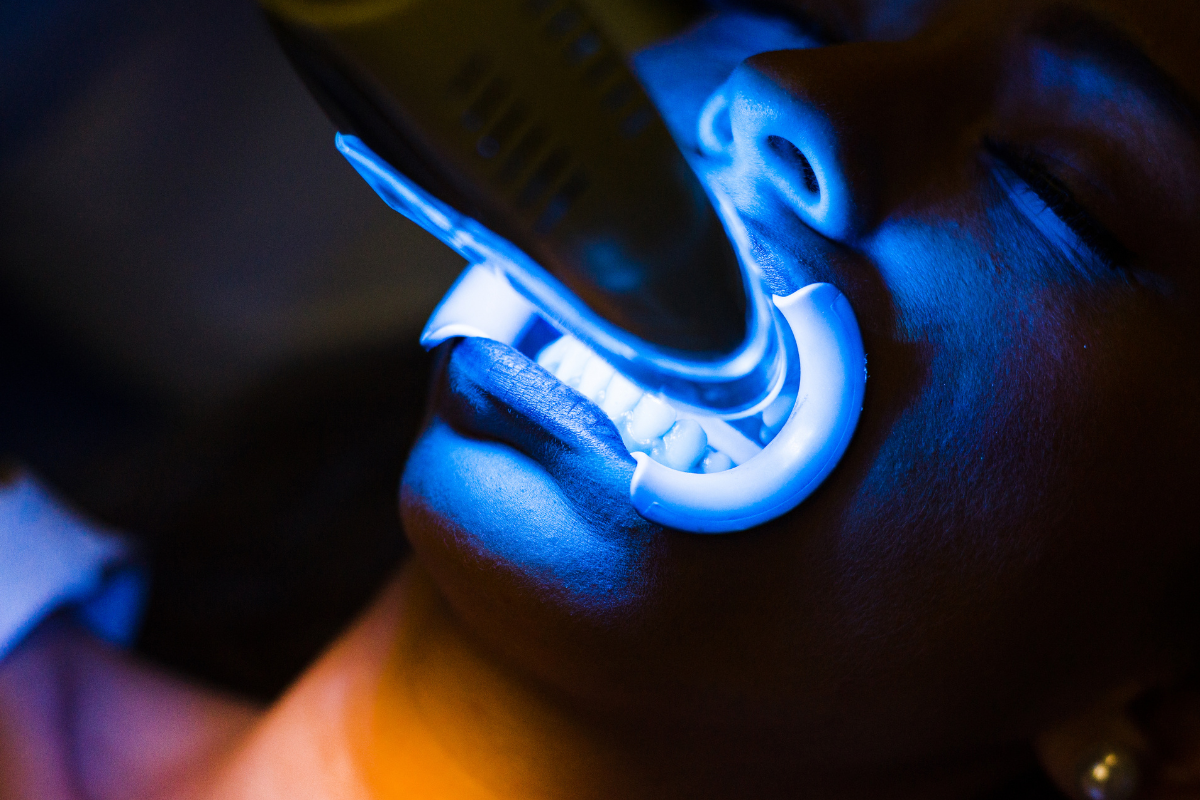
Professional teeth whitening can be a simple way to brighten a smile, but getting ready for treatment involves more than choosing a whitening appointment. Your teeth and gums should be evaluated first, and factors such as existing dental work, sensitivity, discoloration, and your desired results can all affect the right approach.
If you’re considering teeth whitening Raleigh, patients can receive guidance from a dental professional. Knowing what to do before treatment can make the experience more predictable and help your dental team determine whether whitening is appropriate for your smile.
Whether you’re preparing for a wedding, an upcoming event, professional photos, or simply want a brighter smile, a little preparation can help you approach treatment with realistic expectations.
1. Make Sure Your Teeth and Gums Are Healthy
The first step before professional whitening is making sure there isn’t an untreated dental problem that needs attention first.
Whitening is a cosmetic treatment, so your dentist may want to evaluate your teeth and gums before proceeding. This can include looking for concerns such as:
- Cavities or areas of tooth decay
- Cracks or damaged teeth
- Gum inflammation
- Gum recession
- Worn or weakened enamel
- Existing tooth sensitivity
- Large fillings, crowns, veneers, or bonding
- Unusual or localized discoloration
Raleigh dental practices commonly emphasize evaluating oral health before whitening because existing dental problems can affect comfort and whether whitening is appropriate.
This doesn’t necessarily mean you cannot whiten your teeth if you have a dental issue. It simply means your dentist may recommend addressing the underlying concern first.
For example, if one tooth is painful or unusually sensitive, whitening may not be the first step. An examination can help determine what is causing the problem and what treatment makes sense.
2. Schedule a Dental Cleaning If You Need One
If you have noticeable plaque, tartar, or surface buildup, ask your dental team whether a professional cleaning should happen before whitening.
A cleaning and whitening serve different purposes.
A dental cleaning removes plaque, tartar, and buildup that cannot be adequately removed through normal brushing. Whitening, on the other hand, is designed to lighten the color of teeth and reduce certain types of discoloration.
Some Raleigh dental practices recommend cleaning before professional whitening because buildup can interfere with contact between the whitening product and tooth surfaces.
That doesn’t mean every patient needs a separate cleaning immediately before whitening. Your dental team can determine whether your teeth are ready for treatment based on your oral health and existing buildup.
If you’re already due for a routine cleaning, bringing that up when scheduling your whitening consultation can help you plan the appointments appropriately.
3. Tell Your Dentist If Your Teeth Are Sensitive
Do you experience a sharp sensation when drinking something cold? Does brushing sometimes make your teeth uncomfortable? Have you experienced sensitivity with whitening strips in the past?
Tell your dentist.
Tooth sensitivity can occur with whitening, and your previous experiences can help your dental team plan treatment around your comfort.
Don’t assume that sensitivity automatically means you cannot whiten your teeth. Instead, discuss:
- Which teeth are sensitive
- What triggers the sensitivity
- Whether it happens occasionally or frequently
- Whether you’ve experienced sensitivity from previous whitening products
- Whether you have gum recession
- Whether you currently have tooth pain
Professional whitening gives your dental team an opportunity to consider these factors rather than having you guess which over-the-counter product to use.
The goal should not simply be making teeth whiter. It should be choosing an approach that fits the health and condition of your smile.
4. Discuss Cavities, Gum Problems, or Tooth Pain Before Whitening
If you have a tooth that hurts, a cavity you already know about, bleeding gums, or another unresolved dental concern, mention it before your whitening appointment.
Some Raleigh dental practices specifically note that active decay or periodontal concerns may need to be stabilized before whitening.
This is particularly important if the tooth you’re planning to whiten:
- Hurts when you bite
- Reacts strongly to hot or cold
- Has a visible crack
- Has recently received dental treatment
- Looks significantly darker than the surrounding teeth
- Has a large filling or restoration
- Feels different from your other teeth
A sudden change in one tooth’s color can have a different cause than generalized staining from coffee or tea. An evaluation can help determine whether whitening is actually the right solution.
5. Let Your Dentist Know About Crowns, Veneers, Fillings, or Bonding
One of the most important things to understand before whitening is that natural teeth and dental restorations do not necessarily respond the same way to whitening.
Whitening treatment is intended to change the color of natural tooth structure. Existing crowns, veneers, fillings, and bonding generally do not become lighter in the same way.
This matters if you have visible dental work in your smile.
For example, imagine that you whiten your natural front teeth but have a crown next to them. Your natural teeth may become lighter while the crown remains its existing shade. That difference can become more noticeable after whitening.
Raleigh whitening providers commonly discuss this issue when explaining candidacy and treatment planning.
Before treatment, tell your dentist about any visible restorations. Your dental team can then help you understand what whitening can and cannot change and whether additional cosmetic treatment should be considered.
6. Know What Type of Staining You Have
Not every type of tooth discoloration responds to whitening in the same way.
Common causes of tooth staining include:
- Coffee and tea
- Red wine
- Tobacco
- Dark-colored foods and beverages
- Aging
- Certain medications
- Changes within the tooth itself
Professional whitening can be particularly useful for certain types of external discoloration, but deeper or internal discoloration may require a different approach.
Falls Pointe Dentistry already explains that tooth discoloration can have several causes, including food, beverages, tobacco, aging, medications, and health conditions.
That makes the consultation important. Instead of assuming that every darkened tooth needs the same whitening treatment, your dentist can look at the pattern and cause of discoloration and discuss what type of improvement may be realistic.
7. Think About Your Desired Shade Before Your Appointment
You don’t need to choose an exact shade before you see your dentist.
However, it helps to think about what you’re hoping to achieve.
Are you looking for:
- A subtle improvement?
- A noticeably brighter smile?
- A brighter smile for an upcoming event?
- A change that complements veneers or other cosmetic treatment?
- Maintenance after previous professional whitening?
Having a clear goal gives your dental team something to work with.
It also helps keep expectations realistic. The amount of whitening varies from person to person based on factors such as starting tooth color, the type of discoloration, and the condition of the teeth.
A brighter smile doesn’t necessarily mean choosing the whitest possible shade. Your dentist can help you consider an appearance that fits your natural smile and cosmetic goals.
8. Plan Whitening Around Important Events
If you’re whitening your teeth before a wedding, graduation, vacation, job interview, photo session, or another important event, don’t leave treatment planning until the last minute.
Different whitening approaches can have different timelines. In-office treatment may be completed relatively quickly, while dentist-supervised take-home whitening can involve a longer schedule.
Some Raleigh practices specifically recommend planning whitening ahead of major events so patients have time for any temporary sensitivity to settle and for results to develop.
Your dentist can help you decide how far in advance to begin based on the whitening method and your goals.
If your event is approaching soon, mention the date when you schedule your consultation.
That allows the dental team to consider your timeline instead of trying to fit treatment into a schedule that may not be appropriate for your needs.
9. Don’t Assume You Need to Avoid Every Food Before Whitening
Patients often wonder whether they need to completely change their diet before professional whitening.
Usually, the more important step is discussing your normal habits with your dental team.
If you regularly drink coffee, tea, red wine, or other beverages that contribute to staining, let your dentist know. These habits can be relevant when discussing why your teeth became discolored and how you can maintain your results afterward.
You don’t necessarily need to eliminate everything you enjoy before treatment.
Instead, focus on understanding what is contributing to your staining and what habits may help maintain a brighter smile after whitening.
10. Be Careful With DIY Whitening Before Your Appointment
If you’re planning professional whitening, it may be tempting to try several whitening products beforehand to get a head start.
That isn’t always a good idea.
Whitening strips, gels, toothpaste, rinses, and other products vary in strength and formulation. Using multiple products or using them more frequently than directed can increase the chance of sensitivity or irritation.
If you’ve recently used an over-the-counter whitening product, tell your dentist.
This information can help your dental team understand your recent whitening history and discuss the most appropriate next step.
Professional whitening isn’t about using the strongest product possible. It’s about using an appropriate treatment under dental supervision.
11. Ask Which Whitening Option Fits Your Smile
Professional whitening isn’t necessarily one-size-fits-all.
Depending on the practice and your individual needs, options may include in-office whitening or dentist-supervised take-home treatment.
In-office treatment may appeal to someone who wants a quicker treatment experience, while take-home whitening may be more convenient for someone who prefers to whiten gradually on their own schedule.
Raleigh dental practices commonly offer different approaches based on factors such as timing, sensitivity, and patient preference.
When you meet with your dentist, ask:
- Which whitening option is appropriate for me?
- How long should treatment take?
- What level of improvement is realistic?
- Could I experience temporary sensitivity?
- Will my existing dental work affect the appearance?
- Should I have a cleaning first?
- Do I have any dental problems that should be treated beforehand?
- How should I maintain the results?
These questions can make your appointment more productive and help you understand the treatment plan before you begin.
12. Understand What Professional Whitening Can and Cannot Do
One of the best ways to prepare for whitening is to have realistic expectations.
Professional whitening can help improve certain types of tooth discoloration, but it doesn’t correct every cosmetic concern.
For example, whitening does not generally change the color of existing crowns, veneers, fillings, or bonding.
It also may not be the best solution for certain types of intrinsic discoloration.
If your concern involves a single severely discolored tooth, visible restorations, irregular tooth shape, or another issue that whitening cannot address, your dentist may discuss alternative cosmetic options.
The goal is to find the treatment that addresses the actual concern—not simply to whiten teeth because whitening happens to be available.
A Simple Checklist Before Your Whitening Appointment
If you’re preparing for professional teeth whitening in Raleigh, here’s a simple checklist to keep in mind:
Before your appointment:
- Make sure your dentist knows about any tooth pain or sensitivity.
- Mention cavities, gum problems, cracks, or other known concerns.
- Tell your dental team about crowns, veneers, fillings, and bonding.
- Ask whether you need a professional cleaning first.
- Think about your desired level of whitening.
- Tell your dentist about an upcoming wedding or important event.
- Mention any recent use of whitening strips or other whitening products.
- Ask which professional whitening option is appropriate for you.
- Discuss what results you can realistically expect.
You don’t need to figure out all of these answers yourself. That’s part of what a professional whitening consultation is for.
What Happens Before Teeth Whitening at Falls Pointe Dentistry?
At Falls Pointe Dentistry, we take the condition of your teeth and gums into consideration before recommending cosmetic treatment.
Our professional teeth whitening services use Opalescence whitening products, and our existing Raleigh whitening information emphasizes personalized treatment based on your goals, tooth discoloration, and individual needs.
Before treatment, our team can discuss factors such as:
Your current tooth color
Understanding your starting shade helps establish realistic expectations for treatment.
The cause of your discoloration
Coffee, tea, tobacco, aging, medications, and other factors can contribute to tooth discoloration. Identifying the likely cause helps determine whether whitening is an appropriate solution.
Your dental health
If you have cavities, gum concerns, sensitivity, cracks, or another issue affecting your oral health, that should be considered before cosmetic treatment.
Your existing dental work
Crowns, veneers, fillings, and bonding may not change color through whitening, so they should be considered when planning treatment.
Your goals and timeline
If you want a brighter smile for a specific event, tell us when the event is. We can discuss the available whitening approach and how it fits your timeline.
Is Professional Teeth Whitening Right for You?
For many patients, professional whitening can be a convenient way to improve the appearance of stained or discolored teeth. But the best starting point isn’t choosing a whitening product—it’s determining whether whitening is appropriate for your particular smile.
That’s especially important if you have:
- Sensitive teeth
- Existing dental restorations
- Gum concerns
- Cavities
- A single darkened tooth
- Deep or unusual discoloration
- An upcoming cosmetic dental procedure
- A major event approaching
A professional evaluation can help you avoid unrealistic expectations and determine whether whitening is the right cosmetic treatment for your goals.
FAQs About Preparing for Teeth Whitening
Should I get my teeth cleaned before whitening?
A cleaning may be recommended if you have plaque, tartar, or surface buildup. Your dentist can determine whether a cleaning should take place before whitening based on the condition of your teeth.
Can I whiten my teeth if I have cavities?
You should discuss any known cavities with your dentist before whitening. Active dental problems may need to be addressed before cosmetic treatment.
Should I tell my dentist if I have sensitive teeth?
Yes. Tell your dental team about current or previous sensitivity, especially if whitening products have caused discomfort in the past. Your dentist can consider this when planning treatment.
Can crowns and fillings be whitened?
Whitening changes the color of natural teeth, but crowns, fillings, veneers, and bonding generally do not whiten in the same way. Your dentist can explain how existing restorations may affect the overall appearance of your smile.
How far in advance should I whiten my teeth before an event?
The ideal timing depends on the whitening method, your starting shade, and your individual circumstances. If you have an important event coming up, tell your dentist the date so your treatment can be planned accordingly.
Get Your Smile Ready for Professional Whitening in Raleigh
Preparing for teeth whitening doesn’t have to be complicated. The most important step is making sure your teeth and gums are ready for treatment and that your dentist understands your goals, sensitivity history, existing dental work, and timeline.
At Falls Pointe Dentistry, we provide professional teeth whitening in Raleigh with treatment recommendations based on your individual smile and cosmetic goals. If you’re considering whitening before a special event or simply want to refresh your smile, our team can help you determine whether professional whitening is right for you.
Ready to explore professional teeth whitening in Raleigh? Contact Falls Pointe Dentistry to schedule a consultation and discuss your whitening goals with our team.