Your First Visit


October, 2026
Can You Get a Dental Implant After a Tooth Extraction?
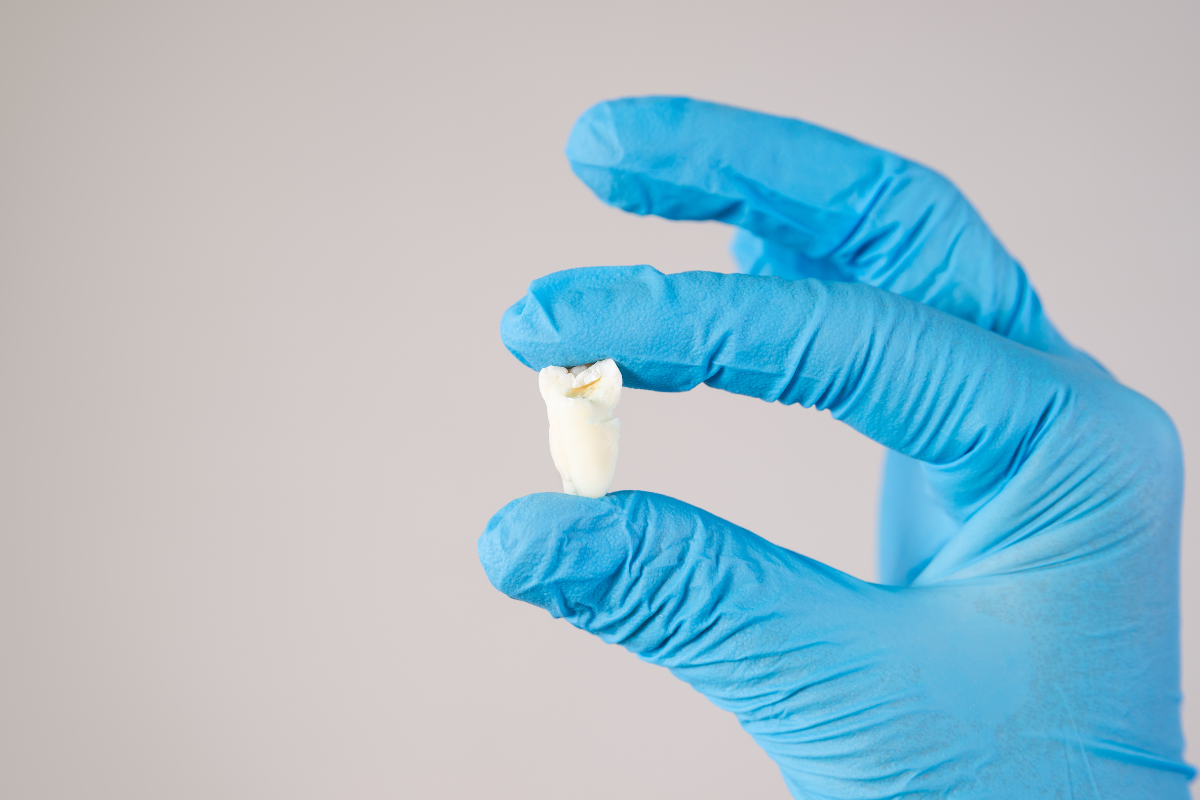
Losing a tooth can leave you wondering what comes next. If your dentist has recommended an extraction, you may already be thinking about how to replace the missing tooth and whether you will need to wait months before moving forward.
The good news is that a dental implant can often be used to replace a tooth after extraction. However, the implant does not necessarily have to be placed at the same time as the extraction. The right timing depends on factors such as the condition of the extraction site, available jawbone, gum health, infection, and your overall treatment needs.
For patients researching Tooth Extraction Raleigh, understanding how extraction and tooth replacement fit together can make the treatment process feel much more predictable. At Falls Pointe Dentistry, our team evaluates the tooth, surrounding tissues, and replacement options so treatment can be planned around your individual needs.
Can You Get a Dental Implant After a Tooth Extraction?
Yes. A dental implant can replace a tooth that has been removed, and extraction and implant treatment are often considered as part of the same overall treatment plan.
A dental implant is a small post placed into the jawbone to replace the root portion of a missing tooth. Once the implant has healed and integrated with the surrounding bone, it can support a dental crown that replaces the visible portion of the tooth. The American Dental Association describes implants as one option for replacing missing teeth and notes that they are designed to provide a stable foundation for replacement teeth.
The important question is not simply whether you can get an implant after an extraction. It is when the implant should be placed and whether the extraction site is ready to support it.
How Soon Can You Get an Implant After Tooth Extraction?
There is no single timeline that applies to every patient. Implant placement may happen immediately after extraction, after a period of healing, or later once additional treatment has been completed.
1. Immediate implant placement
In some cases, an implant can be placed during the same appointment as the extraction. This is known as immediate implant placement.
Rather than extracting the tooth and returning later for implant placement, the dentist removes the tooth and places the implant into the extraction site during the same surgical visit.
However, immediate placement is not appropriate for every extraction site. The dentist needs to determine whether there is enough healthy bone and whether the implant can be stabilized properly. The condition of the socket, surrounding tissues, infection status, and location of the tooth can all affect the decision.
2. Early implant placement
Sometimes the extraction site needs time to begin healing before the implant is placed.
This approach gives the surrounding tissues time to heal while allowing your dental team to reassess the area before implant placement. Depending on the situation, additional treatment may be recommended during the healing process.
3. Delayed implant placement
If the extraction site needs more substantial healing or additional preparation, implant placement may be postponed.
A delayed approach may be appropriate when there has been significant bone loss, infection, damage to the socket, or another condition that makes immediate placement less suitable.
The exact timing is determined through examination and imaging rather than by using a standard number of weeks or months for every patient.
What Determines Whether You Are Ready for a Dental Implant?
Several factors help determine whether an implant can be placed immediately or whether you should wait.
Available jawbone
Dental implants need adequate bone support because the implant is placed into the jawbone. After a tooth is removed, the bone surrounding the former tooth root changes as the area heals.
If there is not enough bone in the planned implant location, your dentist may recommend a procedure to improve the site before implant placement.
Falls Pointe Dentistry already provides bone grafting and implant planning as part of its approach to implant treatment. Its treatment sequence may include extraction, bone grafting or socket preservation, healing, imaging, implant placement, and eventual restoration when clinically appropriate.
Gum health
Healthy gums and supporting tissues are important when planning tooth replacement.
If gum disease is present, it may need to be addressed before proceeding with implant treatment. Periodontal disease can affect the tissues and bone that support teeth, which is why evaluating periodontal health is an important part of implant planning.
Infection or inflammation
The reason the tooth needed to be extracted matters.
For example, a tooth may require removal because of extensive decay, a fracture, trauma, or an infection. Depending on the condition of the extraction site, immediate implant placement may or may not be appropriate.
That does not automatically mean you cannot have an implant. It may simply mean your dentist recommends allowing the area to heal before placing the implant.
Location of the missing tooth
Replacing a front tooth can involve different considerations from replacing a back molar. The amount and shape of available bone, the surrounding gum tissue, bite forces, and cosmetic requirements can all influence treatment planning.
Your overall oral health
Your dentist may also consider your remaining teeth, bite, gum health, oral hygiene, medical history, and other factors before recommending an implant.
The goal is not simply to place an implant as quickly as possible. The goal is to determine an approach that provides an appropriate foundation for the restoration.
What If Your Tooth Was Extracted Months or Years Ago?
A previous extraction does not automatically prevent you from getting a dental implant.
If the extraction site has already healed, your dentist can evaluate the area to determine whether there is enough bone and healthy tissue for implant placement.
Over time, however, the jawbone in an area where a tooth is missing can change. The American Dental Association notes that bone loss can occur around missing teeth.
If the area does not have enough bone for the planned implant, additional treatment may be recommended before placement.
This is why it is worth having an implant consultation even if your tooth was removed a long time ago. The answer depends on the condition of your individual site—not simply how long ago the extraction occurred.
Do You Always Need a Bone Graft Before an Implant?
No. Not everyone needs a bone graft.
A bone graft may be recommended when the available bone is not sufficient for the planned implant or when preserving or rebuilding the extraction site would improve the foundation for future treatment.
Some patients may have adequate bone without grafting, while others may benefit from socket preservation or a more extensive grafting procedure.
Falls Pointe Dentistry’s implant planning process uses digital technology to evaluate the mouth and develop an implant plan, including digital scanning and surgical-guide planning.
Because every extraction site is different, the need for grafting should be determined through an examination and appropriate imaging.
Does a Dental Implant Replace the Whole Tooth?
A dental implant treatment typically involves more than the implant post itself.
Think of the restoration as having three main components:
- Implant: The portion placed into the jawbone to act as the artificial tooth root.
- Abutment: The connector between the implant and replacement tooth.
- Crown: The visible restoration designed to replace the missing tooth.
The implant provides the foundation, while the crown restores the visible part of the tooth.
Falls Pointe Dentistry offers endosteal implants for tooth replacement and also provides All-on-4 implant treatment for appropriate patients who are missing an entire arch of teeth.
What Happens If You Need an Extraction and Want an Implant?
If you know that an extraction is likely to be necessary and you are considering an implant, it is helpful to discuss tooth replacement before the extraction whenever possible.
Your treatment may follow a sequence such as:
- Comprehensive examination – Your dentist evaluates the tooth, gums, bite, and surrounding structures.
- Diagnostic imaging – Imaging helps assess the tooth and available bone.
- Extraction planning – The dentist determines how the tooth should be removed and whether the site needs preservation.
- Site evaluation – The condition of the extraction socket is assessed for future implant treatment.
- Implant placement – If appropriate, the implant may be placed immediately or after a healing period.
- Healing and integration – The implant needs time to integrate with the surrounding bone.
- Final restoration – A custom crown or other restoration is attached once the implant is ready.
The sequence can vary significantly between patients.
For some people, extraction and implant placement may be closely connected. For others, healing or additional treatment needs to happen before the implant can be placed.
Why Planning the Implant Before Extraction Can Matter
If you already know that the tooth cannot be saved and you want an implant, ask about replacement options before the extraction whenever practical.
Early planning allows your dental team to consider:
- Whether the tooth can be preserved instead of removed
- Whether immediate implant placement could be appropriate
- Whether socket preservation should be considered
- Whether bone grafting may be necessary
- How the extraction site should be managed
- What type of final restoration will be used
- Whether a temporary tooth replacement may be needed during healing
This approach can help avoid treating the extraction and tooth replacement as two completely separate decisions.
It also gives you a clearer understanding of the expected treatment sequence before the tooth is removed.
What If You Are Not Ready for an Implant?
A dental implant is not the only way to replace a missing tooth.
Depending on your oral health, number of missing teeth, surrounding teeth, preferences, and treatment goals, alternatives may include a dental bridge or denture.
Falls Pointe Dentistry provides crowns and bridges as restorative options for missing or damaged teeth. A dental bridge can use neighboring teeth to support a replacement tooth, while a dental implant uses an implant placed in the jawbone as its foundation.
Your dentist can explain the advantages and limitations of each option based on your specific situation.
Is It Better to Get an Implant Immediately After Extraction?
Not necessarily.
Immediate implant placement can be appropriate in carefully selected situations, but placing an implant immediately is not automatically better than waiting.
The condition of the extraction socket, bone availability, gum tissue, infection, and ability to stabilize the implant all matter. Professional implant guidance identifies specific clinical conditions that should be considered when immediate placement is being evaluated.
For some patients, a delayed approach may provide a more appropriate treatment path.
The best question to ask is not, “How quickly can I get the implant?” but rather, “What timing gives my extraction site the right foundation for the planned restoration?”
When Should You Talk to a Dentist About an Implant?
Consider discussing implant replacement with your dentist if:
- You have recently lost a tooth
- You have been told a tooth needs to be extracted
- You already have a healed extraction site
- You have been missing a tooth for several months or years
- You are concerned about bone loss
- You want to understand your replacement options before extraction
- You are considering an implant instead of a bridge or denture
If you are experiencing pain, swelling, infection, or another dental problem, do not delay an evaluation simply because you are thinking about future implant treatment. The immediate priority is determining what is happening with the tooth and surrounding tissues.
Frequently Asked Questions
Can you get a dental implant after a tooth extraction?
Yes. A dental implant can often replace an extracted tooth. Depending on the condition of the extraction site, the implant may be placed immediately or after a period of healing.
How long should I wait to get an implant after an extraction?
There is no universal waiting period. Timing depends on bone availability, gum health, infection, the condition of the extraction site, and the type of implant treatment being planned.
Can I get an implant if my tooth was extracted years ago?
Yes, a previously healed extraction site may still be suitable for an implant. Your dentist will evaluate the available bone and surrounding tissues to determine whether additional preparation is needed.
Do I need a bone graft after tooth extraction for an implant?
Not necessarily. Some patients have enough bone for implant placement without grafting. Others may need bone grafting or socket preservation to create or maintain an appropriate foundation.
Can a dental implant be placed on the same day as an extraction?
In selected cases, yes. Immediate implant placement involves placing the implant during the same appointment as extraction. However, it is not suitable for every patient or extraction site, so an examination and imaging are needed first.
Conclusion: Plan Your Tooth Replacement Before or After Extraction
A tooth extraction does not mean you have to live permanently with a missing tooth. In many cases, a dental implant can provide a stable foundation for replacing the tooth.
The timing can vary. Some patients may be candidates for immediate implant placement, while others may benefit from allowing the extraction site to heal first or completing additional treatment before implant placement.
At Falls Pointe Dentistry, our team can evaluate your tooth, extraction site, bone support, and overall oral health to help determine which tooth replacement approach makes sense for you. We use digital implant planning technology to help develop an individualized treatment plan.
If you need a tooth extraction or are considering replacing a missing tooth with a dental implant, contact Falls Pointe Dentistry in Raleigh to schedule an implant consultation and discuss your options with our team.