Your First Visit


October, 2026
Can You Get Dental Implants If You Have Gum Disease?
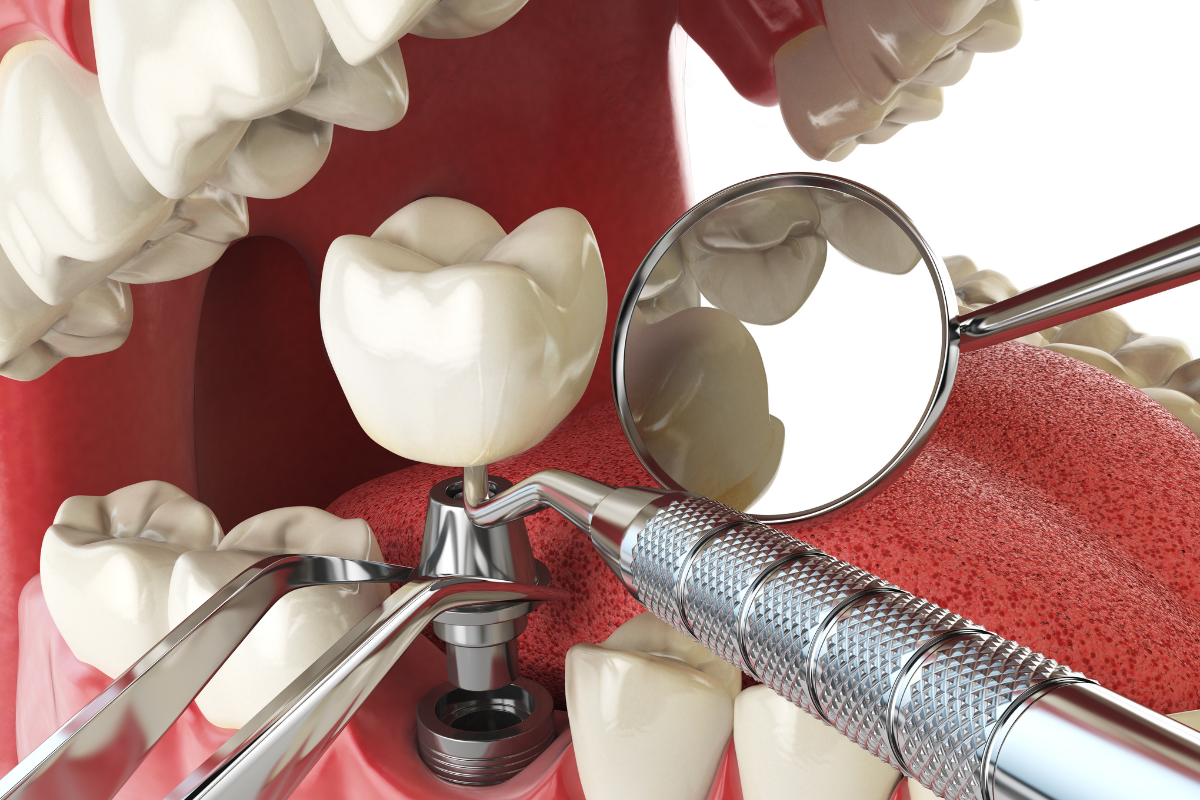
If you have lost a tooth and also have gum disease, you may wonder whether dental implants are still an option. It is a common concern, especially if gum problems contributed to your tooth loss in the first place.
The good news is that having a history of gum disease does not automatically mean you cannot receive dental implants. However, active periodontal disease needs to be addressed before implant placement in most cases. Healthy gum tissue and adequate supporting bone are important because an implant needs a stable environment to heal and function properly.
When considering Dental Implants Raleigh, the first step is not simply deciding which type of implant to use. Your dentist needs to evaluate the condition of your gums, jawbone, remaining teeth, and overall oral health to determine whether treatment should begin immediately or whether periodontal care should come first.
Why Does Gum Disease Matter for Dental Implants?
Gum disease, also called periodontal disease, affects the tissues that support your teeth. In more advanced stages, it can damage the bone around the teeth and eventually contribute to tooth loss.
Dental implants also depend on healthy gum and bone tissues.
An implant is placed into the jawbone, where it becomes a foundation for a replacement tooth. Because the implant sits within the same oral environment as your natural teeth, bacteria and inflammation around the gums can affect the tissues surrounding it.
The American Academy of Periodontology identifies healthy gum tissue without active periodontal disease and adequate jawbone as important considerations when determining implant candidacy.
This is why treating gum disease is often an important part of the implant planning process rather than something that can simply be addressed afterward.
Can You Get Dental Implants After Having Gum Disease?
Yes, many people with a history of gum disease can receive dental implants once the disease has been appropriately treated and the mouth is stable.
The distinction between active gum disease and a history of treated gum disease is important.
If you previously had periodontal disease but it has been treated and your gums are currently healthy and stable, your dentist can evaluate whether implants are appropriate.
If you currently have active periodontal infection, inflammation, or significant untreated bone loss, implant placement may need to be postponed while your oral health is addressed.
The European Federation of Periodontology similarly notes that untreated periodontitis should be successfully treated before implant therapy because active disease can increase the risk of complications.
So the answer isn’t simply “yes” or “no.” Your candidacy depends on the current condition of your gums and supporting bone.
What Happens If You Have Gum Disease Before Getting an Implant?
If you are considering an implant while dealing with gum disease, your treatment may involve several stages.
1. Your gums are evaluated
Your dentist will first determine the current health of your gums and supporting structures.
Depending on your situation, this may include:
- Examining your gums for inflammation or infection
- Checking for periodontal pockets
- Evaluating the condition of your remaining teeth
- Reviewing your history of gum disease
- Taking dental X-rays or other appropriate imaging
- Assessing the bone available at the proposed implant site
The goal is to understand what is happening beneath the surface—not simply whether your gums look healthy when you smile.
2. Active gum disease is treated
If periodontal disease is present, treatment may be recommended before implant placement.
The specific approach depends on the severity and extent of the disease. Treatment can include professional periodontal cleaning and other nonsurgical or surgical periodontal procedures when appropriate.
The objective is to control the infection and inflammation and create a healthier environment for future implant treatment.
3. Your gums and oral health are reassessed
Treating gum disease is not necessarily the end of the process.
Your dental team may need to reassess your periodontal health before moving forward with an implant. This helps determine whether the disease is adequately controlled and whether the tissues surrounding the proposed implant site are suitable for treatment.
A comprehensive periodontal evaluation and ongoing reassessment are important components of implant planning.
4. Your jawbone is evaluated
Periodontal disease can cause bone loss around natural teeth. Tooth loss itself can also lead to changes in the jawbone over time.
Because dental implants require adequate bone support, your dentist needs to determine whether enough healthy bone is available at the planned implant site.
If bone volume is insufficient, additional treatment may sometimes be considered before implant placement.
For example, bone grafting or other bone-building procedures may be recommended in selected cases to improve the available foundation for an implant. The American Academy of Periodontology recognizes ridge modification and other procedures as options when inadequate bone affects implant treatment planning.
Does Gum Disease Mean You Have Too Much Bone Loss for an Implant?
Not necessarily.
Bone loss associated with periodontal disease can make implant treatment more complicated, but it does not automatically rule out implants.
The amount and location of bone loss matter.
For example, one patient may have enough bone to support an implant despite previous gum disease, while another may require additional treatment before an implant can be placed.
That is why an individualized evaluation is much more useful than trying to determine candidacy based solely on a diagnosis of gum disease.
At Falls Pointe Dentistry, our team evaluates the individual circumstances surrounding tooth loss and implant treatment rather than assuming every patient needs the same approach. We provide dental implant consultations in Raleigh and use digital implant-planning technology as part of treatment planning.
What Is the Risk of Getting an Implant With Active Gum Disease?
One of the biggest concerns is the development of peri-implant disease.
Peri-implant mucositis involves inflammation of the soft tissues around an implant. If disease progresses and begins affecting the supporting bone, it may become peri-implantitis.
The American Academy of Periodontology lists several factors associated with peri-implant disease, including a history of periodontal disease, inadequate plaque control, smoking, and diabetes.
More recent consensus guidance from the Academy of Osseointegration and American Academy of Periodontology also identifies previous periodontitis, smoking, uncontrolled diabetes, and poor plaque control among important risk factors that should be considered when managing peri-implant health.
This does not mean someone who previously had gum disease cannot have a successful implant. It means your dental team should recognize the additional risk and build appropriate periodontal care and maintenance into your treatment plan.
What If Gum Disease Caused My Tooth Loss?
This is an especially common situation.
If periodontal disease contributed to the loss of a tooth, it is reasonable to ask:
“If gum disease caused my tooth to fail, how can an implant replace it?”
The answer is that the implant itself does not eliminate the underlying risk factors associated with periodontal disease.
The missing tooth can be replaced, but the health of your remaining gums still matters.
That means your treatment plan may focus on two goals:
- Replacing the missing tooth.
- Protecting the health of your remaining teeth and implant.
This is why ongoing preventive care is particularly important for patients with a history of periodontal disease.
How Do You Protect an Implant After Gum Disease?
Receiving an implant is not the point where oral health maintenance ends.
Your implant still needs regular professional monitoring and good daily home care.
Important habits include:
- Brush your teeth consistently as recommended by your dental team.
- Clean carefully between your teeth and around the implant.
- Attend regular dental examinations and professional cleanings.
- Follow any periodontal maintenance recommendations.
- Tell your dentist about changes such as bleeding, swelling, tenderness, or discomfort.
- Avoid tobacco products, which can increase risks associated with periodontal and peri-implant health.
- Keep medical conditions that affect oral health appropriately managed with your healthcare providers.
Dental implants do not develop cavities in the same way natural teeth do, but the tissues surrounding an implant can still become inflamed or infected. The American Academy of Periodontology emphasizes that implants require regular oral hygiene and professional follow-up just like natural teeth require ongoing care.
How Will a Raleigh Dentist Determine If You’re Ready for an Implant?
If you’re searching for Dental Implants Raleigh because you have gum disease or a history of periodontal problems, your consultation should focus on more than simply the missing tooth.
Your dentist may consider:
Gum health
Are your gums currently healthy and stable, or is there active periodontal inflammation?
Bone support
Is there enough bone at the implant site to provide the necessary foundation?
Remaining teeth
Are your other teeth healthy enough to support your overall oral health?
Oral hygiene
Can you maintain the level of daily cleaning needed around your natural teeth and future implant?
Medical and lifestyle factors
Certain medical conditions, medications, and habits can influence healing and implant-related risks.
Your treatment goals
The best tooth-replacement option depends on your individual needs, not simply whether you have a missing tooth.
At Falls Pointe Dentistry, our dental implant services include endosteal implants and All-on-4 implant treatment, with the appropriate approach determined during an individual consultation.
Does Every Patient With Gum Disease Need to See a Periodontist?
Not necessarily.
The appropriate provider depends on the severity and complexity of your condition. Some general dentists treat periodontal conditions, while more advanced cases may require periodontal specialty care.
A periodontist receives additional specialized training in diagnosing and treating periodontal disease as well as placing dental implants.
If your gum disease is advanced or your implant case is complex, your dentist may recommend collaboration with or referral to a periodontal specialist.
The important thing is that your gum health is addressed as part of the implant plan rather than treated as an unrelated issue.
Common Questions About Dental Implants and Gum Disease
Can I get dental implants if I currently have gum disease?
You may still be a candidate for implants, but active gum disease generally needs to be treated and brought under control before implant placement. Your dentist will evaluate your gums and bone to determine the appropriate treatment sequence.
Can dental implants fail because of gum disease?
A history of periodontal disease can increase the risk of disease around an implant. Proper periodontal treatment, good oral hygiene, professional maintenance, and management of other risk factors are important for protecting implant health.
What if gum disease has caused bone loss?
Bone loss does not automatically mean implants are impossible. Your dentist will evaluate the amount and location of available bone. In some situations, additional procedures such as bone grafting may be considered before implant placement.
How long after gum disease treatment can I get dental implants?
There is no single timeline that applies to everyone. Your dentist needs to determine whether your periodontal condition is stable and whether the implant site is ready. The timing can depend on the severity of disease, treatment performed, healing, and available bone.
Can you get dental implants if gum disease caused the missing tooth?
Yes, a previous history of gum disease does not automatically eliminate implant treatment as an option. However, the underlying periodontal condition needs to be appropriately managed, and your ongoing gum health will remain important after the implant is placed.
Considering Dental Implants in Raleigh?
If you’ve lost a tooth and have gum disease or you’ve been treated for periodontal disease in the past, you don’t necessarily have to rule out dental implants.
The most important step is finding out what condition your gums and jawbone are in now.
At Falls Pointe Dentistry, we provide dental implant in Raleigh and evaluate your individual oral health, tooth-replacement needs, and treatment goals. Our team also uses digital implant-planning technology to help plan implant treatment.
If you’re considering replacing a missing tooth, schedule a dental implant consultation with Falls Pointe Dentistry to discuss your options and determine what treatment approach is appropriate for your smile.