Your First Visit


November, 2026
Can Teeth Grinding Damage Your Dental Implants?
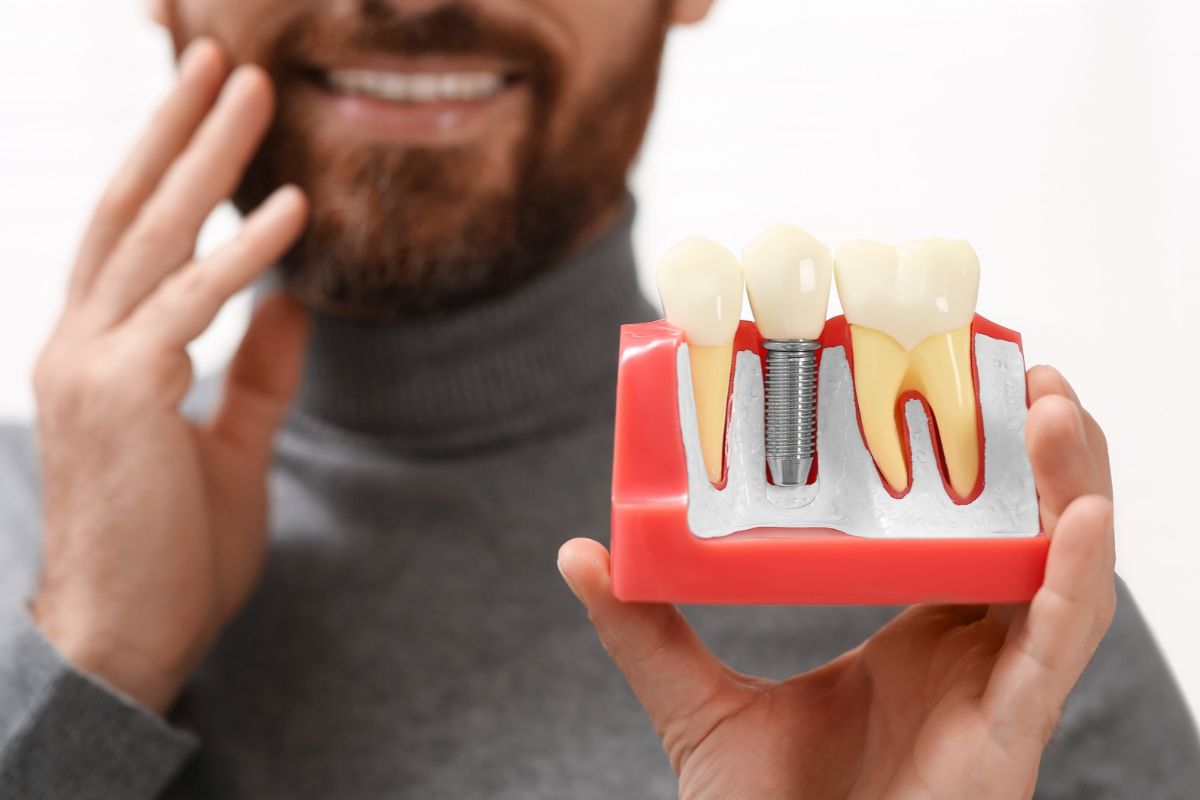
If you clench or grind your teeth, you may have wondered whether your implants can take the pressure. It’s a smart question. The short answer is yes, teeth grinding (bruxism) can put extra stress on dental implants and may contribute to complications over time. That doesn’t mean you can’t get implants or keep them for many years. It means the plan needs to account for how you bite.
Here’s what grinding does to implants, the warning signs to watch for, and how we help patients protect their investment.
Why Teeth Grinding Is Harder on Implants Than on Natural Teeth
Natural teeth are held in the jaw by a thin layer of tissue called the periodontal ligament. It acts like a tiny shock absorber and gives your teeth a little flexibility when you bite down.
Dental implants don’t have that cushion. An implant fuses directly with the jawbone through a process called osseointegration. That connection is strong, but it transfers more of the bite force straight to the implant, the crown, and the surrounding bone.
For most people, everyday chewing is well within what an implant can handle. Bruxism is different. Grinding and clenching can generate forces well beyond normal chewing, often for hours at a time, and often while you’re asleep and unaware of it.
How Bruxism Can Affect Dental Implants
Grinding doesn’t usually damage an implant in one dramatic moment. Problems tend to build gradually. Here are the issues clinicians commonly watch for:
- Chipped or cracked crowns. The porcelain or ceramic restoration on top of the implant takes the brunt of grinding forces.
- Loose abutment or screws. The small components connecting the crown to the implant can loosen under repeated stress.
- Fractured components. In more severe cases, an abutment or screw can break, which usually requires repair.
- Bone changes around the implant. Excessive force may contribute to bone loss around the implant, especially when combined with gum disease or poor bite alignment.
- Implant failure. While uncommon, heavy overload is one of several factors that can compromise an implant’s long-term stability.
Research on the exact relationship between bruxism and implant failure is still debated, and individual risk varies. That’s why a personal evaluation matters more than any general rule.
Signs Your Grinding May Be Affecting Your Implants
Because many people grind at night, the first clues often show up in the morning. Contact your dentist if you notice:
- A crown that feels loose, wobbly, or “different” when you bite
- Chips, cracks, or rough spots on an implant crown
- Jaw soreness, tight facial muscles, or morning headaches
- Clicking or discomfort in the jaw joint
- Flattened, worn, or sensitive natural teeth nearby
- Gum tenderness or swelling around an implant
- A partner who hears grinding at night
Don’t wait for pain. Many implant problems are easier to fix when they’re caught early.
Can You Get Dental Implants If You Grind Your Teeth?
In many cases, yes. Bruxism is a risk factor to manage, not an automatic reason to rule out implants. When someone searching for dental implants Raleigh has a history of grinding, we recommend a thorough evaluation first, including a look at:
- Your bite and jaw alignment
- Existing wear on your teeth
- Bone quality and volume
- Gum health
- Your medical history and any sleep or stress-related factors
Based on that, your treatment plan may include design choices that help the restoration stand up to heavier forces. Depending on your situation, that could mean different restoration materials, the number and position of implants, or a protective appliance worn after treatment. Your dentist can explain which options make sense for you. No one can promise a specific outcome, but careful planning improves your odds of a long-lasting result.
How to Protect Your Dental Implants From Grinding
Wear a custom night guard
A custom-fitted night guard is one of the most common ways to protect implants and natural teeth from grinding forces. Store-bought guards may not fit well, and an ill-fitting one can sometimes make bite problems worse. A guard made for your mouth is more comfortable and effective.
Get your bite checked
If your bite is uneven, certain teeth or implants can take more force than they should. A small adjustment can sometimes spread pressure more evenly.
Keep up with regular checkups
During routine visits, your dentist can check implant crowns for wear, test for loose components, and monitor the gum and bone around the implant. If you grind, more frequent monitoring may be worth discussing.
Address the underlying causes
Stress, sleep disruption, and some medications are commonly linked to bruxism. Sleep-related breathing problems can also play a role. If you suspect any of these, talk with your dentist or physician. Treating the cause may reduce the grinding itself.
Be mindful of daytime habits
Clenching often happens during the workday, in traffic, or while concentrating. Catching yourself and relaxing your jaw (lips together, teeth apart) can help. Also avoid chewing ice, hard candy, or pen caps, which add unnecessary stress to restorations.
Why Local Care Matters for Implant Patients in Raleigh
Dental implants aren’t a one-visit fix. They involve planning, healing, and long-term follow-up, so having a dental team nearby makes it easier to stay consistent with checkups and address problems quickly.
At Falls Pointe Dentistry, we provide implant care for patients in Raleigh and surrounding communities. Our team takes the time to look at the whole picture, including habits like grinding, so your treatment plan fits your mouth and your lifestyle, not just a template.
If you already have implants and you’re worried about grinding, we can evaluate your restorations and talk through ways to protect them. If you’re considering implants, we can help you understand whether they’re a good fit and what to expect.
Frequently Asked Questions
Can teeth grinding loosen a dental implant?
Grinding can loosen the screw or abutment that connects the crown to the implant. It can also contribute to bone changes around the implant over time. A loose crown or any movement should be checked promptly.
Should I wear a night guard if I have dental implants?
If you grind or clench, many dentists recommend one. A custom night guard can help reduce the force on implant crowns and your natural teeth. Your dentist can tell you whether one is right for you.
How do I know if I grind my teeth at night?
Common clues include morning jaw soreness, headaches, worn or chipped teeth, and a partner hearing grinding sounds. A dental exam can often identify wear patterns that point to bruxism, even if you don’t feel symptoms.
Do dental implants last longer if you don’t grind your teeth?
Lower biting forces generally mean less strain on implants and restorations, but longevity also depends on gum health, oral hygiene, overall health, smoking, and regular dental care. No dentist can guarantee how long an implant will last.
Can I get dental implants in Raleigh if I already have bruxism?
Often, yes. We evaluate your bite, bone, and overall health first, then build a plan that accounts for grinding. In some cases, managing the grinding before or after treatment is part of the plan.
Protect Your Smile With the Right Plan
Teeth grinding doesn’t have to stand between you and a strong, healthy smile. It does mean your implants deserve a plan that accounts for the forces they’ll face every day.
If you’re considering dental implants in Raleigh, or you already have them and want to make sure they’re protected, our team at Falls Pointe Dentistry is here to help. Contact us today to schedule a consultation and let’s talk about the best way to protect your smile for the long term.