Your First Visit


April, 2025
How Pediatric Dentists Handle Dental Emergencies in Children
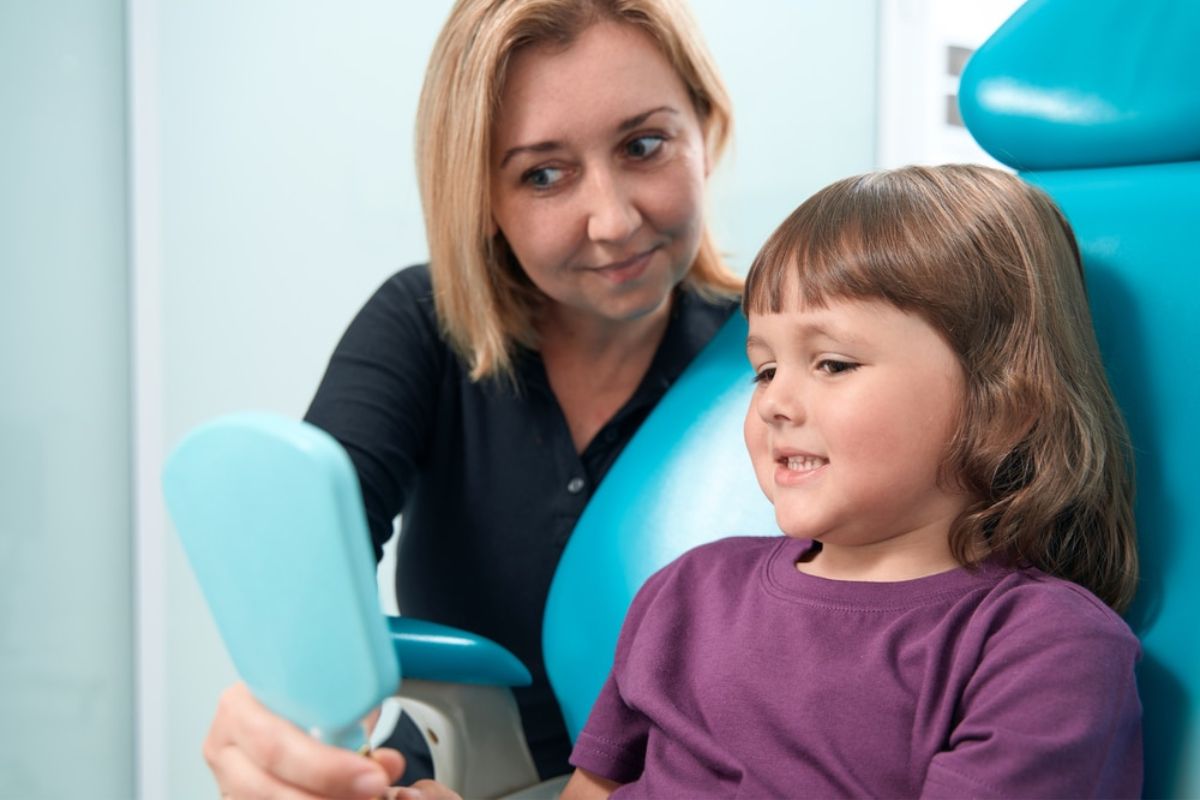
Children are full of energy—and with that comes the occasional fall, bump, or unexpected toothache. Dental emergencies can happen when you least expect them, and they often require quick thinking and expert care. While these situations can be alarming, knowing how they’re handled can help parents stay calm and act fast when needed.
If you’re searching for a Pediatric Dentist Raleigh families trust, understanding how they manage emergencies is key. Whether your child chips a tooth on the playground or wakes up in the middle of the night with swelling and pain, pediatric dentists are trained to handle a wide range of urgent dental issues with care and precision.
What Counts as a Dental Emergency?
Not every dental issue requires immediate attention, but some situations do. These are the most common types of emergencies that pediatric dentists regularly treat:
- Knocked-out (avulsed) teeth
- Broken, chipped, or cracked teeth
- Severe or sudden tooth pain
- Swollen gums or dental abscess
- Cuts or bleeding in the mouth
- Loose fillings or crowns causing discomfort
Recognizing these issues early and knowing how to respond can help protect your child’s oral health in the long term.
First Response: What Parents Should Do
Before you make it to the dental office, there are a few steps you can take to manage the emergency:
- Knocked-out tooth: Gently rinse the tooth, avoid touching the root, and keep it moist in milk or saline solution.
- Chipped or cracked tooth: Have your child rinse with warm water and apply a cold compress to reduce swelling.
- Toothache: Clean around the tooth gently and use a cold compress—avoid placing any medication directly on the gums.
Stay calm and reassure your child while making arrangements to see the dentist as soon as possible.
How Pediatric Dentists Respond to Emergencies
During an emergency dental visit, pediatric dentists focus on comfort, quick evaluation, and appropriate treatment. Here’s what usually happens:
1. Child-Friendly Assessment
A welcoming, calm environment helps ease fear or anxiety. Pediatric dentists are trained in gentle communication and use non-threatening tools and language to help children feel safe.
2. Imaging and Diagnosis
Digital X-rays or visual inspections are used to assess damage or pinpoint pain sources. This helps the dentist determine the most effective course of action.
3. Treatment Options
Depending on the situation, treatment may include dental bonding, extraction, medication for infection, or other restorative procedures. All steps are explained to the child and parent beforehand.
4. Aftercare Planning
Follow-up care ensures the injury heals properly. This may include additional appointments, changes in diet, or temporary activity restrictions to allow full recovery.
Tips to Prevent Future Dental Emergencies
While you can’t prevent every mishap, a few good habits go a long way:
- Encourage your child to wear a mouthguard during sports.
- Avoid letting kids chew on hard objects or open packages with their teeth.
- Schedule regular dental checkups to detect small problems early.
- Teach consistent brushing and flossing habits to avoid infection and decay.
Prepared parents and preventive care play a huge role in reducing the likelihood of future emergencies.
Conclusion
Dental emergencies can be scary, but they don’t have to feel overwhelming. Knowing what to do—and where to go—makes all the difference. Pediatric dentists offer calm, expert care tailored to children’s needs, helping them recover quickly and confidently.
If you’re in need of trusted emergency care for your child, Falls Point Dentistry in Raleigh, NC is here to support your family with gentle, expert pediatric dental services you can count on.