Your First Visit


November, 2026
Daily Denture Cleaning Habits That Help Maintain Oral Hygiene
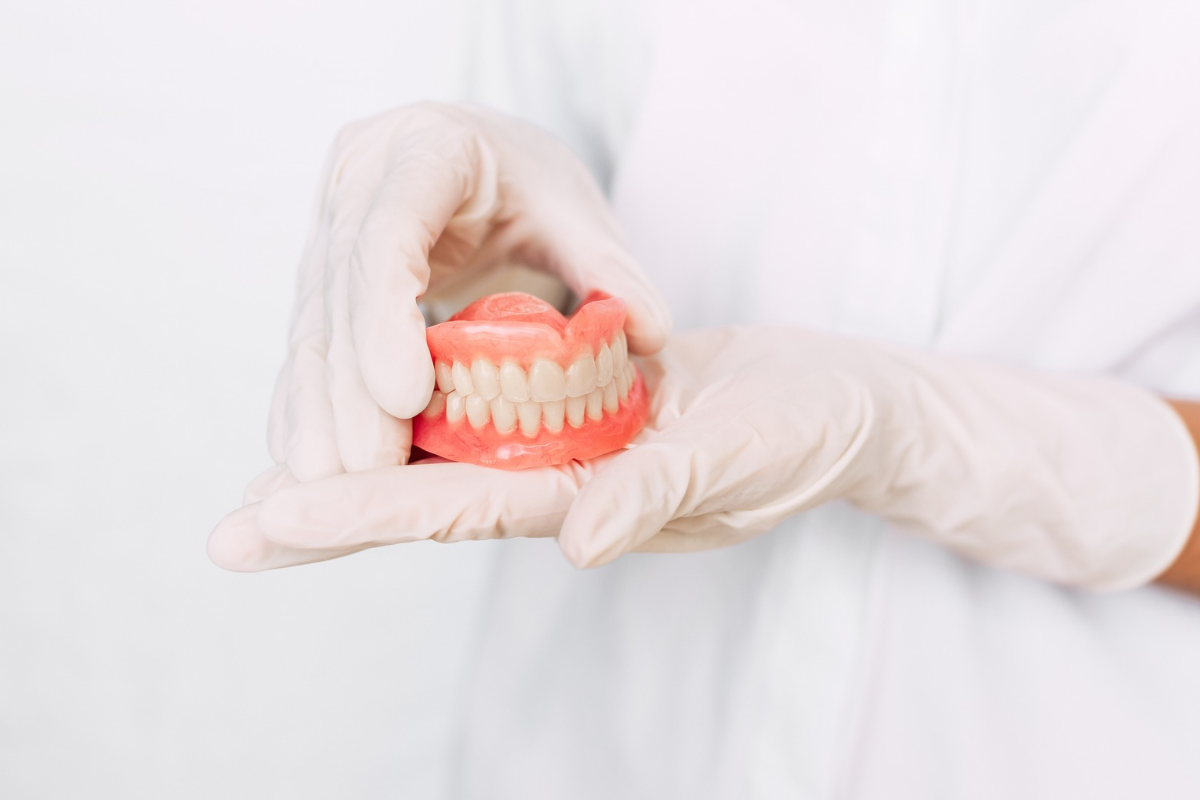
Getting dentures is a big step, and many people assume the hard part is over once the fit feels right. But dentures need daily care, just like natural teeth. Without it, plaque, bacteria, and food debris can build up, leading to bad breath, stains, irritated gums, and infections.
The good news is that a solid routine doesn’t take long. With a few simple habits, you can keep your dentures cleaner, your mouth healthier, and your smile more comfortable. Here’s a practical, step-by-step guide.
Why Denture Cleaning Matters
Dentures may be made of acrylic and other materials rather than natural tooth enamel, but they still collect a biofilm of bacteria and yeast. Left alone, that film can:
- Cause persistent bad breath
- Lead to stains and hardened tartar (calculus)
- Irritate the gums and the roof of the mouth
- Contribute to denture stomatitis, a fungal irritation under the denture
- Make dentures feel less comfortable
- Increase the risk of mouth infections
Clean dentures also look more natural, and they’re more pleasant to wear.
Your Daily Denture Care Routine
Here’s a simple routine that fits into a normal day.
Morning
- Rinse your dentures under cool or lukewarm water to remove any soaking solution.
- Brush your gums, tongue, and palate with a soft-bristled toothbrush before putting dentures in. This stimulates circulation and removes bacteria.
- Apply denture adhesive (if you use one) to clean, dry dentures, following the label.
- Put your dentures in and check that they feel secure.
After Meals
- Remove your dentures if you can and rinse them to wash away food.
- Rinse your mouth with water.
- If you can’t brush right away, a quick rinse still helps.
Evening
- Remove your dentures over a folded towel or a sink filled with water, so they’re cushioned if they slip.
- Rinse off loose debris.
- Brush thoroughly with a denture brush and a non-abrasive cleanser (see below).
- Clean your mouth. Gently brush your gums, tongue, and palate, and rinse.
- Soak your dentures overnight in water or a denture-soaking solution, as your dentist recommends.
That’s about five to ten minutes a day.
What to Use (and What to Avoid)
Safe Choices
- A soft denture brush or soft-bristled toothbrush. Denture brushes are shaped to reach the grooves.
- Mild dish soap or hand soap, or a cleanser made for dentures. These clean without scratching.
- Denture-soaking tablets or solutions, used as directed on the label.
- Lukewarm or cool water.
Things to Avoid
- Regular toothpaste. Many contain abrasives that can scratch acrylic. Scratches trap bacteria and stains.
- Hot or boiling water. It can warp dentures and change the fit.
- Bleach or harsh household cleaners, unless your dentist specifically recommends a diluted product. Bleach can discolor dentures and may damage some materials, particularly metal parts in partials.
- Stiff or hard-bristled brushes.
- Abrasive powders or scouring products.
- Whitening toothpastes and harsh chemical cleaners.
- Sharp tools to scrape off tartar.
Always check with your dentist before using a new product, especially if you have partial dentures with metal clasps.
Why You Need to Clean Your Mouth Too
Dentures sit on gum tissue, so the mouth beneath them matters as much as the appliance. Every day, gently brush:
- Your gums
- Your tongue
- The roof of your mouth
- Any remaining natural teeth, with fluoride toothpaste
This removes plaque and bacteria and helps reduce the risk of irritation. If you have natural teeth, brush and floss them carefully, since partial denture clasps can trap plaque against them.
Should You Wear Dentures at Night?
Most dental professionals recommend taking dentures out overnight, unless your dentist advises otherwise. Here’s why:
- It gives your gums and bone a rest from pressure.
- It lets saliva do its protective work.
- It reduces the risk of fungal growth and irritation.
- Overnight wear is associated with a higher risk of certain infections.
Store them in water or a soaking solution so they don’t dry out and warp. Never wrap them in a napkin or tissue, where they can easily get thrown away.
Different Dentures, Different Care
Full Dentures
Follow the routine above. Pay close attention to the underside, where the denture meets your gums.
Partial Dentures
Clean the clasps and the spaces around natural teeth carefully. Ask your dentist about soaking products, since some can affect metal components.
Implant-Supported Dentures
Some are removable and some are fixed. Your care routine may include special brushes, water flossers, or cleaning around the implants. Your dentist will give specific instructions, and regular maintenance visits are especially important.
Dentures With Adhesive
Use only as much as needed, and clean all adhesive off the denture and the gums every day. Ongoing need for more adhesive can mean the denture no longer fits well. Have it checked rather than adding more.
Troubleshooting Common Denture Problems
Bad Breath or Odor
Causes include plaque on dentures, bacteria on the tongue, dry mouth, or an infection. Clean more thoroughly, including your tongue and palate, and soak nightly. If odor persists, see your dentist.
Stains
Coffee, tea, red wine, and tobacco are common culprits. Daily brushing and soaking help. For stubborn stains, a professional cleaning may be the safest option.
Hard White Buildup (Tartar)
Don’t scrape it off yourself, since you can scratch or damage the denture. A dental office can remove it professionally.
Sore Spots or Rubbing
Don’t try to adjust the denture at home. A poor fit can cause sores and infections, and adjustments should be done by a dentist.
A Loose or Slipping Fit
Gums and bone change over time, and dentures may need adjustments, relining, or replacement. Persistent looseness is a sign to schedule a visit.
Warning Signs to Watch For
Contact a dentist if you notice:
- Red, swollen, or sore gums under the denture
- White patches in the mouth, or a burning or sore feeling
- Cracks at the corners of the mouth
- Sores that don’t heal within about two weeks (see a dentist or doctor promptly)
- A denture that’s cracked, chipped, or no longer fits
- Persistent bad taste or odor
- Difficulty eating or speaking comfortably
Red, sore tissue under a denture can sometimes be denture stomatitis, a fungal condition that is generally treatable once identified. Don’t self-treat. An exam is the safest way to find out.
Handling and Storing Dentures Safely
- Hold dentures over a towel or water-filled sink when cleaning, in case they slip.
- Keep them moist when they’re not in your mouth.
- Store them in a case away from pets and children.
- Avoid wrapping them in tissue.
- Don’t try to fix breaks with glue. Household adhesives can be unsafe and make repairs harder. Call your dentist.
- If a denture cracks or breaks, stop wearing it and call your dentist.
Why Regular Dental Visits Still Matter
Even with perfect home care, dentures need professional attention. At checkups, a dentist can:
- Check the fit and make adjustments
- Examine your gums, tongue, and cheeks for sores or changes, including an oral cancer screening
- Professionally clean dentures
- Evaluate bone and tissue changes over time
- Answer questions about care and products
Many people with dentures benefit from visits every six months or as recommended by their dentist.
Finding Dentures in Raleigh, North Carolina
Whether you’re getting your first set or you’ve worn dentures for years, it helps to have a dental team you trust, one that explains things clearly and treats you with patience.
At Falls Pointe Dentistry, we provide dental care for patients in Raleigh, North Carolina, and surrounding communities. If you’re looking for dentures in Raleigh, or you want a second opinion on the fit and care of the ones you have, our team can examine your mouth, review your routine, and talk through options in plain language. Our services are designed to help you stay comfortable, confident, and healthy.
When you visit, you can expect:
- A gentle exam of your gums, tissues, and remaining teeth
- A check of your denture’s fit and condition
- Practical care tips tailored to your type of denture
- Clear answers to your questions
Frequently Asked Questions
Can I use regular toothpaste to clean my dentures?
It’s usually best to avoid it. Many toothpastes are abrasive and can scratch dentures, making them more prone to stains and bacteria. Use a non-abrasive denture cleanser or mild soap instead.
How often should I clean my dentures?
Daily, ideally after meals and again before bed. Rinse after eating, and give them a thorough brushing at least once a day.
Should I soak my dentures overnight?
Most dentists recommend it. Soaking in water or a denture-cleaning solution keeps dentures moist and helps loosen buildup. Follow your dentist’s guidance, especially for partial dentures with metal parts.
Why do my dentures smell even though I clean them?
Odor can come from bacteria on your tongue or gums, dry mouth, stubborn buildup, or an infection. If it doesn’t improve with thorough cleaning, schedule an exam.
How often should dentures be replaced?
It varies. Dentures wear down and the mouth changes over time. Many need relining, repair, or replacement over the years. Your dentist can tell you when yours need attention.
Keep Your Smile Fresh and Comfortable
Taking care of your dentures doesn’t have to be complicated. A few consistent habits, such as rinsing after meals, brushing daily, cleaning your gums and tongue, and soaking overnight, can go a long way toward preventing problems.
If your dentures feel loose, smell, or irritate your gums, or if you’re considering dentures for the first time, contact Falls Pointe Dentistry in Raleigh, North Carolina, to schedule a visit. Our team is here to provide caring, patient-focused support at every stage.