Your First Visit


September, 2026
Why Do My Dentures Feel Loose? Causes and What to Do
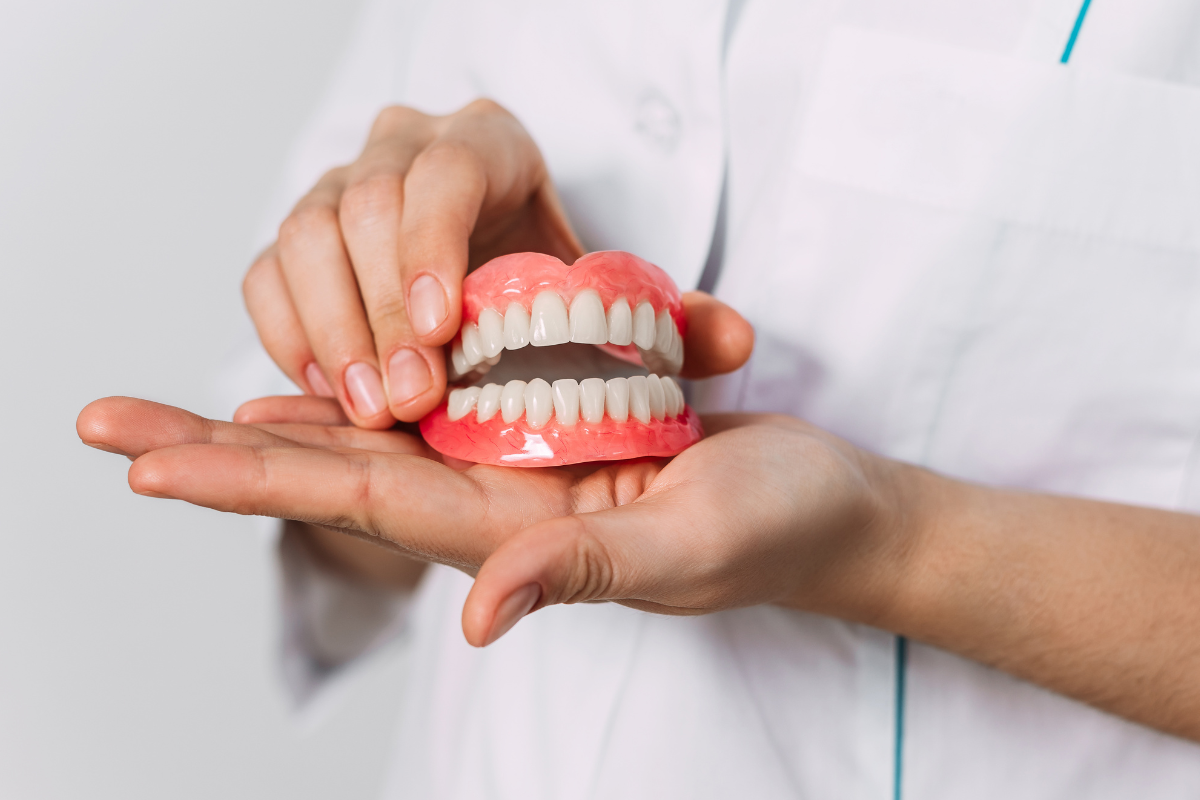
Dentures are designed to restore your ability to eat, speak, and smile after tooth loss. But even a well-made denture may not feel the same forever. If your denture starts slipping when you talk, rocking while you chew, or causing sore spots on your gums, you may wonder whether something is wrong with the denture itself.
In many cases, a changing fit is related to normal changes in your mouth over time. Healing after tooth extraction, changes in gum and bone contours, denture wear, and other factors can affect how securely a removable denture fits. Current Raleigh dental practices also recognize adjustments and relines as common ways to address changes in denture fit.
If you’re looking for dentures Raleigh, patients can have them evaluated and maintained over time; understanding why looseness happens is an important part of making an informed decision about your oral health.
Why Do Dentures Feel Loose?
Dentures depend on the shape and condition of the tissues supporting them. Unlike natural teeth, which are anchored into the jaw by their roots and supporting structures, removable dentures rest on the gums and underlying tissues.
That means the fit can change as your mouth changes.
A denture that once felt secure may eventually begin to:
- Move when you chew
- Slip while speaking
- Rock from side to side
- Feel uncomfortable or bulky
- Cause recurring sore spots
- Collect food underneath
- Require more adhesive than it previously did
Loose dentures do not necessarily mean that your original denture was poorly made. Often, the mouth has changed since the denture was fitted.
Common Causes of Loose Dentures
1. Changes in Your Gums and Jawbone
One of the most common reasons dentures become loose is that the shape of the tissues supporting them changes over time.
After teeth are lost, the jawbone no longer receives stimulation from tooth roots in the same way. The supporting ridge can gradually change shape, which may affect how a denture sits.
Your gums and underlying tissues can also change. As the contours change, the interior surface of an older denture may no longer match your mouth as closely as it once did.
This is one reason denture maintenance is important rather than treating dentures as a one-time restoration.
2. Healing After Tooth Extraction
A denture fitted around the time of tooth extraction may become less secure as your mouth heals.
Immediately after an extraction, the surrounding tissues can be swollen and changing. As healing progresses, the shape of the area can change, which may affect the fit of an immediate or transitional denture.
Raleigh dental practices that provide immediate dentures note that adjustments or temporary liners may be necessary during the healing process before a more definitive fit is established.
So if your denture becomes loose after an extraction, don’t automatically assume that you need a completely new denture.
A professional evaluation can help determine whether a temporary adjustment, reline, or another solution is appropriate.
3. Your Denture Has Become Worn
Dentures are made from durable dental materials, but they are not designed to remain unchanged indefinitely.
Over time, normal use can contribute to wear of the denture teeth or changes in the fit of the appliance. Your bite may also feel different as the denture ages.
If your denture is several years old and has gradually become less comfortable, a dentist can evaluate whether adjustment or relining is appropriate, or whether replacement would provide a better long-term solution.
4. Your Denture Needs a Reline
A denture reline modifies the tissue-contacting surface of the denture so it can better correspond to the current shape of your mouth.
This can be helpful when the denture itself remains in reasonable condition, but the supporting tissues have changed.
Falls Pointe Dentistry’s patient paperwork specifically notes that many complete or partial dentures require relining approximately three to twelve months after initial placement.
The exact timing is not the same for everyone. Your dentist can determine whether a reline makes sense based on the age and condition of the denture and the changes in your mouth.
5. Changes in Your Oral Health
Changes affecting your gums, remaining teeth, or supporting tissues can also influence how a partial or full denture fits.
For example, a partial denture depends partly on the remaining teeth for support and stability. If those teeth develop problems, the way the partial denture functions may change.
This is another reason regular dental examinations matter even if you already have dentures.
What Are the Signs That Your Dentures Need Attention?
A denture does not have to fall out completely before it becomes a problem.
Consider scheduling a dental evaluation if you notice:
- Your denture moves while eating
- It repeatedly slips when you speak
- You have developed recurring sore spots
- You have difficulty chewing foods you previously tolerated
- Food frequently gets underneath the denture
- Your denture rocks or clicks during normal use
- You need substantially more adhesive to keep it in place
- Your denture has cracked, chipped, or become damaged
- Your bite feels noticeably different
- The denture simply no longer feels like it fits correctly
Persistent movement or discomfort is worth discussing with a dentist rather than simply putting up with it.
Can Loose Dentures Be Fixed?
Often, yes, but the appropriate solution depends on why the denture has become loose.
A dentist may recommend an adjustment, reline, repair, replacement, or another tooth-replacement option after examining your mouth and the denture.
Denture Adjustment
A minor adjustment can sometimes address a specific pressure area, bite issue, or small fit problem.
The goal is to improve the way the denture contacts your mouth without unnecessarily replacing the entire appliance.
Denture Reline
A reline changes the tissue-contacting surface of the existing denture to better correspond with your current oral anatomy.
This can be particularly useful when the denture remains structurally sound, but the supporting tissues have changed.
Raleigh practices offering denture adjustment and reline services describe these procedures as options for addressing looseness, irritation, rocking, and changing oral contours.
Denture Repair
If the appliance has cracked, broken, or sustained other damage, professional repair may be appropriate.
Avoid trying to reshape or permanently repair a denture yourself. Home modifications can alter the fit and potentially create additional problems.
Denture Replacement
Sometimes an adjustment or reline is not enough.
If a denture is significantly worn, damaged, poorly fitting, or no longer appropriate for your current oral condition, your dentist may recommend replacing it.
The goal is not simply to make an old denture stay in place. The goal is to determine which solution makes sense for your current oral health and treatment needs.
What About Denture Adhesive?
Denture adhesive can provide additional retention for some patients, but it should not be used to hide a consistently poor fit.
If you suddenly need much more adhesive than before, or your denture continues to move despite using adhesive as directed, that is a good reason to have the fit evaluated.
A properly evaluated denture should be assessed based on your individual anatomy, the condition of the appliance, and how it functions in your mouth.
Should You Get New Dentures or Have Them Relined?
This is one of the most important questions to discuss with your dentist.
A reline may be reasonable when:
- The denture is otherwise in good condition
- The primary issue is a change in fit
- The denture teeth and base remain functional
- Your dentist determines that the existing appliance can be modified effectively
Replacement may be considered when:
- The denture is significantly worn
- The appliance is damaged
- The fit cannot be adequately corrected
- The denture no longer meets your functional or aesthetic needs
- Your oral condition has changed substantially
There is no universal replacement schedule that applies to every patient. Your dentist can evaluate the actual condition of your denture instead of relying solely on its age.
Could Implant-Supported Dentures Help With Stability?
For some patients, traditional removable dentures are not the only option.
Implant-supported dentures use dental implants to provide additional support and retention. They can be an option for patients who want greater stability and who are appropriate candidates after an individual evaluation.
Falls Pointe Dentistry offers dental implant treatment in Raleigh, including endosteal implants and All-on-4 implant treatment. The practice notes that endosteal implants can also be used to support a set of dentures.
That does not mean implant-supported dentures are automatically the right choice for everyone. Factors such as your oral health, available bone, treatment goals, and overall circumstances need to be considered.
A consultation can help you understand how traditional dentures, implant-supported options, and other tooth-replacement solutions compare for your situation.
When Should You See a Dentist About Loose Dentures?
Make an appointment if your dentures are consistently loose, uncomfortable, or interfering with normal activities.
You should also seek professional evaluation if you have:
- Persistent gum irritation or sores
- Significant difficulty eating
- Pain when wearing your denture
- A cracked or broken denture
- A sudden change in how your denture fits
- Difficulty keeping the denture in place
- Problems with a partial denture that also involve your remaining teeth
Do not assume that discomfort is something you simply have to accept.
A dentist can examine your mouth, evaluate the denture itself, assess your bite, and determine whether an adjustment, reline, repair, replacement, or another treatment option is appropriate.
How Falls Pointe Dentistry Can Help With Denture Care in Raleigh
At Falls Pointe Dentistry, we provide restorative and general dental services for patients in Raleigh, including denture consultations. The practice is located at 9660 Falls of Neuse Rd., Suite 153, Raleigh, NC 27615, in the Falls Pointe Shopping Center.
Our team can evaluate your concerns and help you understand your available treatment options rather than assuming that every loose denture requires the same solution.
Falls Pointe Dentistry also provides dental implant treatment, giving eligible patients another option to discuss when additional denture stability is a concern.
If your dentures no longer feel the way they once did, a consultation can help identify the reason and determine what should happen next.
Frequently Asked Questions
Why do my dentures suddenly feel loose?
A sudden change in fit can have several causes, including changes in your oral tissues, healing after an extraction, denture wear, or changes affecting supporting teeth in the case of partial dentures. A dental examination can help identify the specific cause.
Can loose dentures be relined?
In many cases, a denture can be relined when the appliance is otherwise suitable but the shape of the supporting tissues has changed. Your dentist will determine whether a reline is appropriate or whether another solution would be better.
How do I stop my dentures from moving when I eat?
The best approach depends on why the denture is moving. An adjustment, reline, replacement, or implant-supported option may be considered depending on the condition of the denture and your oral anatomy. Avoid attempting to reshape the denture yourself.
How often should dentures be checked?
There is no single schedule that applies to every denture wearer. Regular dental visits allow your dentist to monitor the condition of the denture, your gums, remaining teeth, and supporting tissues and identify fit problems before they become more disruptive.
Are implant-supported dentures more stable?
Implant-supported dentures are designed to gain additional support from dental implants, which can reduce movement compared with conventional removable dentures for appropriate candidates. Whether they are suitable depends on your individual oral health and treatment needs.
Get Comfortable With Your Dentures Again
Loose dentures can make everyday activities such as eating, speaking, and smiling feel more difficult than they should. The good news is that looseness does not automatically mean you need an entirely new denture.
An evaluation can help determine whether a simple adjustment, denture reline, repair, replacement, or another tooth-replacement option makes sense for you.
If you’re experiencing loose or uncomfortable dentures and are looking for dentures Raleigh, NC, contact Falls Pointe Dentistry to schedule a consultation. Our team can evaluate your concerns and discuss options for improving the fit, comfort, and function of your smile.