Your First Visit


September, 2026
Do You Need a Bone Graft Before Dental Implants? Raleigh Guide
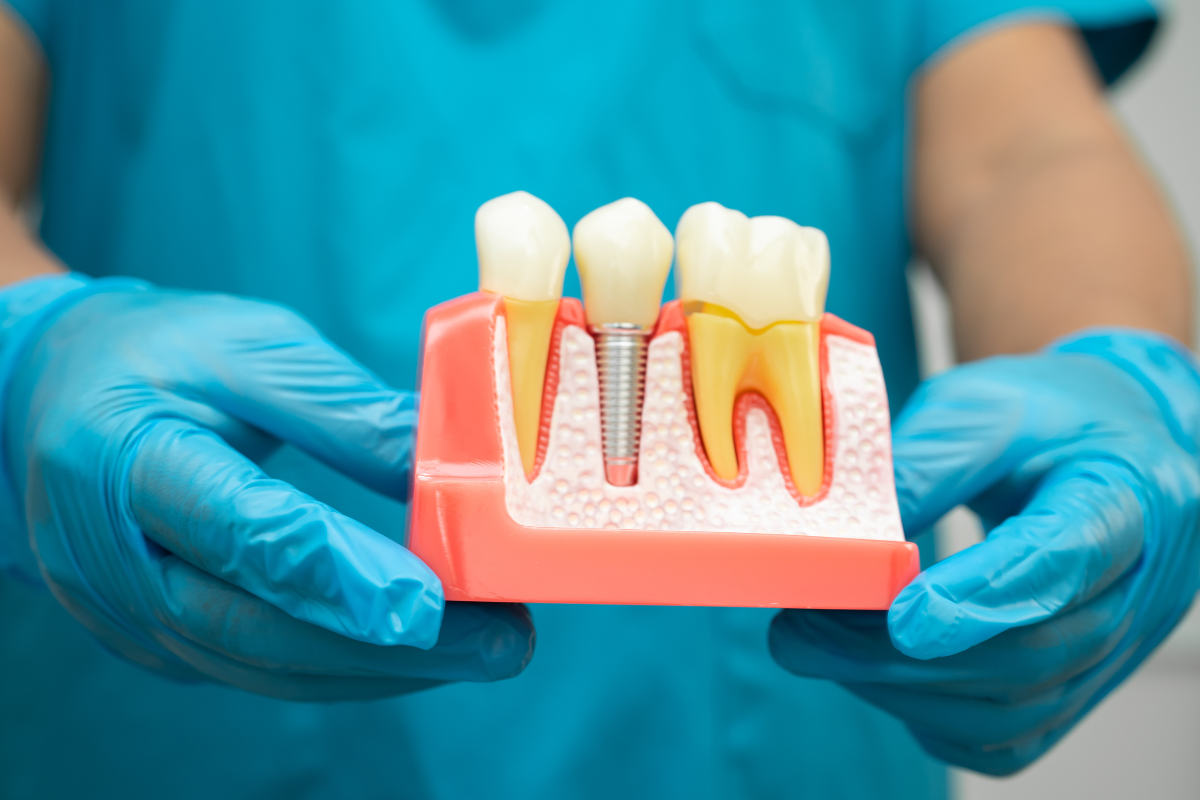
Losing a tooth can affect much more than the appearance of your smile. Over time, the jawbone that once supported the tooth may gradually lose volume because it no longer receives the same stimulation from chewing. For some patients, this bone loss can make replacing a missing tooth more complicated than simply placing an implant.
If you have been told that you may need a bone graft, you may naturally have questions: Why is a graft necessary? Does everyone getting an implant need one? How long will the process take? And does needing a graft mean you are not a good candidate for an implant?
The answer depends on your individual jawbone, gum health, tooth loss history, and treatment goals. When considering Dental Implants Raleigh, patients can benefit from a thorough evaluation to determine whether enough healthy bone is available to support an implant securely.
Why Does Jawbone Matter for Dental Implants?
A dental implant is designed to replace the root of a missing tooth. Unlike a traditional dental bridge, an implant is placed directly into the jawbone and becomes integrated with the surrounding bone.
For an implant to provide stable support, there needs to be enough healthy bone around the implant site. The bone should provide adequate:
- Width
- Height
- Density
- Stability
- Healthy surrounding tissue
When the jawbone has deteriorated, placing an implant immediately may not provide the ideal foundation for long-term function.
This is where bone grafting may become part of the treatment plan.
A bone graft adds grafting material to an area where bone has been lost. Over time, the body can use that material as a framework for new bone development, helping rebuild the area so it can better support future dental treatment.
Does Everyone Need a Bone Graft Before an Implant?
No. Not every dental implant patient needs a bone graft.
Some patients have sufficient bone volume and density to support an implant without additional grafting. Others may have experienced significant bone loss after an extraction, gum disease, trauma, or years of missing teeth.
Your dentist or implant provider cannot always determine whether grafting is necessary simply by looking at your smile. A detailed examination and dental imaging may be needed to evaluate the bone beneath the gums.
Depending on your situation, your treatment plan may involve:
- Implant placement without grafting
- Bone grafting before implant placement
- Socket preservation following an extraction
- Bone grafting performed at the same time as implant placement in select cases
- A sinus lift when additional bone height is needed in the upper jaw
The goal is not to add unnecessary treatment. The goal is to create the right foundation for your replacement tooth.
Why Might You Need a Bone Graft?
Several factors can contribute to insufficient bone for an implant.
1. You Have Had a Tooth Missing for a Long Time
After a tooth is lost, the jawbone in that area no longer receives stimulation from the tooth root. The body can gradually resorb the bone.
The longer a tooth remains missing, the greater the possibility of changes to the shape and volume of the jawbone.
This is one reason replacing a missing tooth sooner rather than later can be beneficial for some patients.
2. You Recently Had a Tooth Extracted
Extraction itself can change the shape of the bone surrounding the tooth socket.
In some cases, a dentist may recommend socket preservation, which involves placing grafting material into the extraction socket to help maintain the area’s shape and volume for a future implant.
Socket preservation does not automatically mean you will need another graft later, but it can help preserve the foundation for future implant treatment.
3. Gum Disease Has Caused Bone Loss
Advanced periodontal disease can damage the bone supporting your natural teeth.
If you have experienced significant bone loss because of gum disease, the area may require additional evaluation before implant placement.
Your oral health provider may first need to stabilize the gum condition and address active infection before moving forward with implant treatment.
4. You Have Experienced Trauma
An injury to the mouth or jaw can damage both the tooth and the surrounding bone.
Even if the tooth has already been removed, the trauma may have left the implant site with insufficient bone width or height.
A personalized evaluation can determine whether the area needs additional support.
5. Your Upper Jaw Has Limited Bone Height
The upper back jaw has an additional consideration: the maxillary sinus.
In some patients, the sinus is positioned close to the area where an implant would normally be placed. If there is not enough bone height, a sinus lift or other bone augmentation procedure may be considered.
This is one reason advanced imaging can be valuable when planning dental implants.
How Does a Dentist Determine If You Need a Bone Graft?
A visual examination alone may not provide enough information.
During an implant consultation, your dental team may evaluate:
- The location of the missing tooth
- How long the tooth has been missing
- Your gum health
- Existing bone volume
- Bone density
- The position of nearby anatomical structures
- Your bite and chewing forces
- Your overall oral health
- Your goals for the final restoration
Dental imaging, including three-dimensional imaging when appropriate, can help the provider understand the shape and condition of the jawbone before treatment.
This detailed planning allows your oral care provider to determine whether an implant can be placed immediately or whether the site needs to be prepared first.
What Types of Bone Grafting May Be Used?
Bone grafting is not a single procedure. The approach depends on how much bone has been lost and where the deficiency is located.
Socket Preservation
Socket preservation is generally associated with tooth extraction.
A grafting material is placed into the extraction site to help preserve the shape of the jawbone for possible future implant treatment.
Ridge Augmentation
If the jaw ridge has already become too thin or has lost significant height, ridge augmentation may be used to rebuild the deficient area.
This can help create a more suitable foundation for an implant.
Sinus Lift
A sinus lift may be considered when there is insufficient bone height in the upper back portion of the jaw.
The procedure creates additional vertical space for bone development so an implant can eventually be supported appropriately.
The specific approach depends on your anatomy and the amount of bone available.
How Long Does It Take to Get an Implant After a Bone Graft?
This is one of the most common questions patients ask.
There is no single timeline that applies to everyone.
A small graft may require less healing time than a larger reconstruction. Some grafting procedures may take several months to mature before implant placement can proceed. Your provider will determine when the area is ready based on healing, clinical evaluation, and imaging.
A typical treatment sequence may look like this:
- Initial consultation and examination
- Dental imaging and implant planning
- Tooth extraction, if necessary
- Bone grafting or socket preservation
- Healing and bone development
- Follow-up evaluation
- Implant placement
- Implant healing and integration
- Final crown or restoration
Although adding a bone graft can make the overall treatment timeline longer, allowing the area to heal properly can be an important part of creating a stable implant foundation.
Is Bone Grafting Painful?
It is understandable to feel nervous when you hear the words “bone graft.”
Bone grafting is an oral surgical procedure, but patients receive appropriate anesthesia and detailed aftercare instructions. Initial recovery can involve tenderness, swelling, or bruising, particularly during the first several days.
Your dental team will explain what to expect based on the specific procedure being performed.
After treatment, you may be advised to:
- Follow all post-operative instructions
- Eat softer foods during the early healing period
- Avoid disturbing the surgical site
- Maintain appropriate oral hygiene
- Avoid smoking or vaping
- Take medications as prescribed
- Attend scheduled follow-up appointments
Following these instructions can help support proper healing.
Can You Still Get Dental Implants If You Have Bone Loss?
In many cases, yes.
Having bone loss does not automatically mean that dental implants are no longer an option.
Instead, the treatment plan may need an additional preparation stage.
For example, a patient with insufficient bone may first undergo grafting. Once the area has healed adequately, the provider can reassess the site and determine whether it is ready for implant placement.
This approach can expand treatment possibilities for patients who may otherwise have limited options.
The important point is that implant candidacy should be determined through a comprehensive evaluation rather than based solely on how much bone loss you believe you have.
What Can Happen If You Skip a Recommended Bone Graft?
If your dental provider determines that there is not enough bone to properly support an implant, attempting to place the implant without addressing the deficiency may compromise treatment.
Insufficient bone can affect:
- Initial implant stability
- Positioning of the implant
- Long-term support
- Gum and tissue contours
- The appearance of the final restoration
- Overall treatment predictability
A bone graft may therefore be recommended because it addresses a specific limitation identified during your evaluation.
It is not necessarily an “extra” procedure. In some cases, it is part of creating the foundation required for successful implant treatment.
What If You Need an Implant After an Extraction?
If you know you want to replace a tooth with an implant but still have the natural tooth present, talk with your dentist about your replacement options before extraction whenever possible.
Planning can allow your dental team to consider whether socket preservation is appropriate at the time of extraction.
This can be particularly important when the tooth is in a visible area or when maintaining the existing ridge shape is a priority.
Your local dental practice can coordinate the extraction and future implant plan rather than treating each step as an unrelated procedure.
How Falls Pointe Dentistry Can Help With Your Implant Planning
Choosing an implant provider is about more than placing the implant itself. Careful diagnosis and treatment planning are important parts of the process.
At Falls Pointe Dentistry, we provide restorative and implant-focused dental services for patients in Raleigh and surrounding communities. Our dental team can evaluate your oral health, discuss your tooth replacement goals, and help determine what steps may be necessary before moving forward.
Our services include dental implants along with general, cosmetic, restorative, and other dental care. If bone loss is identified during your evaluation, we can discuss the appropriate next steps and help you understand how grafting may fit into your overall treatment plan.
Our goal is to make the process understandable so you know:
- Why a particular procedure may be recommended
- What your treatment sequence may look like
- How healing can affect your timeline
- What options may be available
- What to expect during each stage of treatment
A personalized consultation is the best way to determine whether you need a bone graft before receiving an implant.
When Should You Schedule a Dental Implant Consultation?
Consider scheduling an evaluation if you:
- Have one or more missing teeth
- Have been told you have bone loss
- Had a tooth extracted and are considering an implant
- Have worn a denture for several years
- Have a history of advanced gum disease
- Are concerned about a loose or failing tooth
- Want to understand your tooth replacement options
Even if you were previously told that you did not have enough bone for an implant, modern treatment planning may provide additional options worth discussing.
The sooner you understand the condition of the implant site, the easier it can be to plan the next step.
Frequently Asked Questions
1. Does everyone need a bone graft before a dental implant?
No. Patients with adequate bone volume and healthy supporting tissues may be able to receive an implant without grafting. A dental examination and appropriate imaging are needed to determine whether additional bone is necessary.
2. How long after a bone graft can I get a dental implant?
Healing time varies based on the type and size of the graft, the treatment location, and your individual healing response. Some grafts may require several months before implant placement. Your provider will determine when the site is ready.
3. Can a bone graft be done at the same time as an implant?
In selected cases, minor grafting may be performed during implant placement. However, patients with more significant bone deficiencies may need to heal after grafting before the implant can be placed.
4. Can I get dental implants if I have bone loss?
Potentially, yes. Bone loss may mean that additional treatment is required before implant placement. A grafting procedure can sometimes rebuild the area enough to create a more suitable implant foundation.
5. What is the first step if I think I need a dental implant?
The first step is a comprehensive consultation. Your dentist can examine the missing-tooth area, evaluate your gums and bone, review imaging, and explain which treatment options may be appropriate for your situation.
Conclusion: Build the Right Foundation for Your Implant
A bone graft may sound like an unexpected extra step when you are already looking forward to replacing a missing tooth. However, when bone loss has affected the implant site, rebuilding that foundation can be an important part of creating stable, functional, and natural-looking tooth replacement.
Not every patient needs a graft, and the only way to know whether you do is through an individualized evaluation.
If you are considering Dental Implants Raleigh, patients can start with a consultation at Falls Pointe Dentistry to understand the condition of their implant site and explore their treatment options. We provide personalized dental care designed around your oral health, needs, and smile goals.
Ready to find out whether you need a bone graft before an implant? Contact Falls Pointe Dentistry to Contact Now and take the next step toward restoring your smile.