Your First Visit


September, 2026
What Cosmetic Dental Treatment Is Best for One Discolored Tooth? Raleigh Guide
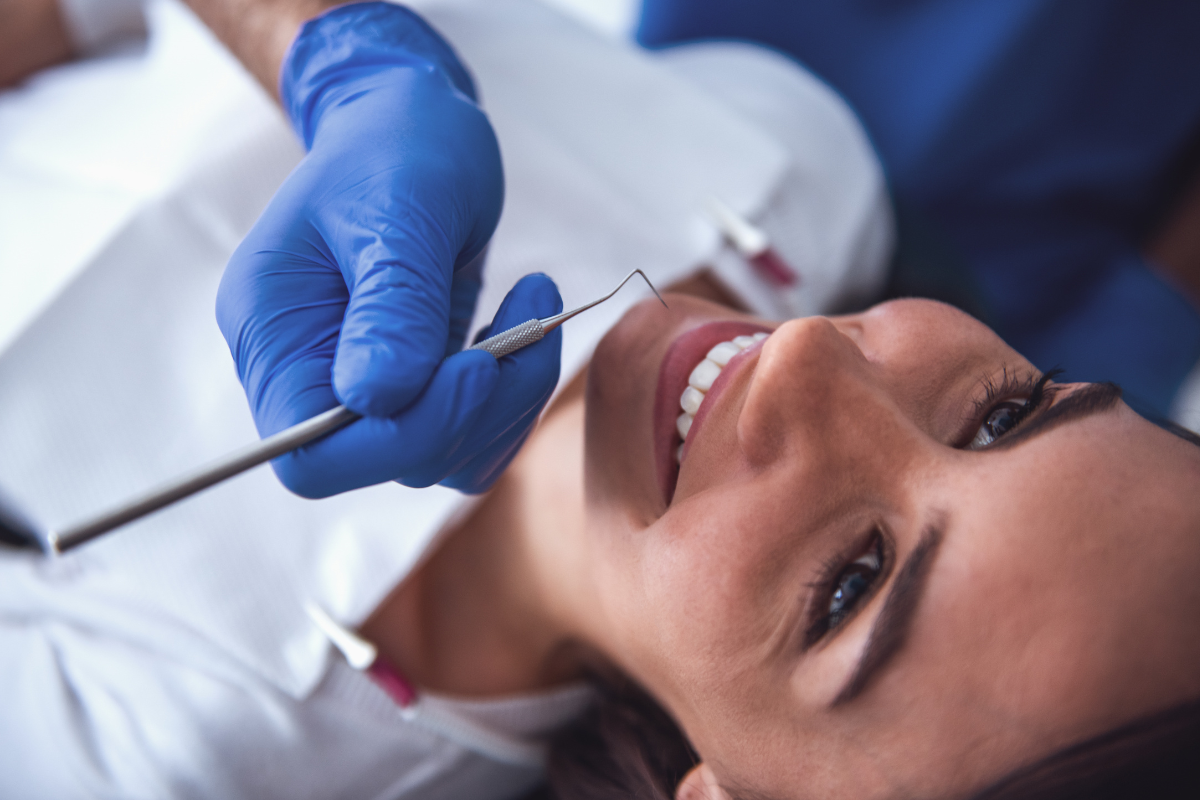
A single discolored tooth can stand out more than you might expect. You may have an otherwise bright smile, but one tooth looks gray, yellow, brown, or noticeably darker than the teeth around it. This can make you feel self-conscious when smiling, talking, or taking photos.
The good news is that one discolored tooth does not always require extensive cosmetic dental treatment. The best solution depends on why the tooth changed color, whether the discoloration is on the surface or inside the tooth, and whether the tooth is otherwise healthy. A dental professional can evaluate the tooth and recommend a treatment that improves its appearance while protecting your natural tooth structure.
If you are considering cosmetic dentistry Raleigh, patients can turn to us for a more balanced smile; understanding your treatment options can help you make a confident decision.
Why Is Only One Tooth Discolored?
When multiple teeth become darker, common factors such as coffee, tea, tobacco, certain foods, aging, or general staining may be responsible. But when one tooth changes color, there may be a more localized reason.
Possible causes include:
- Previous trauma or an injury to the tooth
- Internal discoloration
- A previous root canal
- Changes within the tooth’s nerve
- An old filling or restoration
- Enamel development issues
- Localized staining
- Tooth decay or structural damage
This is why simply choosing a whitening product may not always solve the problem.
A dentist should first determine what is causing the discoloration. Treating the appearance without identifying the underlying issue may result in temporary improvement or an unsuitable cosmetic solution.
Can Teeth Whitening Fix One Discolored Tooth?
Professional teeth whitening is an excellent option when natural teeth have become stained or yellowed. However, whitening does not work equally well for every type of discoloration.
If the affected tooth is darker because of surface staining, professional whitening may help improve its appearance.
The challenge is that whitening usually affects natural tooth enamel as a whole. If one tooth has a different internal color, whitening the surrounding teeth may make the contrast even more noticeable.
Whitening May Be Appropriate When:
- The discoloration is primarily on the tooth’s surface.
- The affected tooth responds to whitening.
- The surrounding teeth also need brightening.
- There are no signs of underlying tooth problems.
- Your dentist determines that whitening is appropriate.
Professional whitening can be a good starting point when the discoloration is mild and related to external staining.
However, if one tooth remains significantly darker after whitening, another cosmetic treatment may provide a more predictable result.
Is Dental Bonding a Good Option for One Dark Tooth?
Dental bonding can be an effective option for a single tooth with localized discoloration, particularly when whitening is unlikely to produce the desired result.
During bonding, a dentist applies tooth-colored composite material to the tooth and carefully shapes it to blend with the surrounding teeth. The material can be color-matched and polished to create a natural-looking appearance.
This makes bonding particularly useful when you want to improve one visible tooth without changing your entire smile.
Benefits of Bonding for One Discolored Tooth
Dental bonding may offer several advantages:
- It can address localized discoloration.
- It usually requires minimal alteration of the natural tooth.
- Treatment can often be completed in a relatively short appointment.
- The shade can be selected to coordinate with surrounding teeth.
- It can address minor shape concerns along with discoloration.
- It can provide a conservative cosmetic improvement.
Bonding may be especially appealing when the tooth is structurally healthy but its color makes it stand out.
At Falls Pointe Dentistry, we provide personalized cosmetic treatment recommendations based on the appearance and condition of each tooth rather than assuming the same treatment works for every patient.
When Are Veneers Better for One Discolored Tooth?
A porcelain veneer may be considered when discoloration is more significant or when you want a highly aesthetic, long-term solution for a visible tooth.
A veneer is a thin, custom-made restoration placed over the front surface of the tooth. Because it covers the visible portion, it can improve both color and appearance.
A veneer may be appropriate when:
- The discoloration is resistant to whitening.
- The tooth has additional cosmetic imperfections.
- The tooth has an irregular shape.
- You want to change the tooth’s color and contour.
- Bonding may not provide the desired long-term appearance.
- Your dentist determines that the tooth is suitable for a veneer.
One important consideration is that veneers involve more treatment planning than simple bonding. Your dentist will evaluate the tooth, surrounding teeth, bite, and overall smile before recommending this option.
The goal should not simply be to make one tooth white. The goal is to make the treated tooth look like it belongs naturally within your smile.
What If the Discolored Tooth Had a Root Canal?
A tooth that has undergone root canal treatment can sometimes become darker over time.
This type of discoloration can be different from ordinary surface staining because the color change may originate within the tooth.
In this situation, traditional external whitening may not provide the result you expect. Your dentist may discuss other options depending on the condition of the tooth.
Treatment could involve:
- Evaluating the existing root canal and restoration
- Considering internal bleaching when appropriate
- Using bonding to improve the visible appearance
- Considering a veneer when appropriate
- Considering a crown if the tooth also needs structural protection
The important point is that a dark tooth should be evaluated before cosmetic treatment is selected.
If the tooth is weakened, cracked, decayed, or otherwise compromised, simply covering the discoloration may not address the underlying dental concern.
Could a Crown Be the Right Choice?
Crowns are generally more restorative than cosmetic. However, a crown may be appropriate when a discolored tooth also has significant structural damage.
For example, a tooth may require a crown when it has:
- Significant decay
- A large existing restoration
- Extensive structural damage
- A crack that affects the tooth
- A weakened tooth following root canal treatment
A crown covers the entire visible portion of the tooth and can provide both cosmetic improvement and structural support.
Your dentist will determine whether a crown is necessary based on the condition of the tooth. If the tooth is healthy and only has a cosmetic concern, a more conservative treatment may be preferable.
Why the Cause of Discoloration Matters
It can be tempting to look at a dark tooth and immediately think, “I need whitening.” But one discolored tooth requires a more individualized approach.
For example, consider two Raleigh patients:
Patient A has one tooth that became slightly yellow because of surface staining. Professional whitening may be enough to improve the overall smile.
Patient B has one front tooth that became gray after an old injury. Whitening the entire smile may not correct the underlying color difference. Another cosmetic treatment may be more appropriate.
The teeth may look similar at first glance, but the best treatment can be completely different.
That is why a consultation with a qualified oral care provider is an important first step.
How Does a Dentist Decide Which Treatment You Need?
During a cosmetic consultation, your dentist may examine the affected tooth and the surrounding teeth to understand both the cause and appearance of the discoloration.
Your evaluation may include:
- Visual examination of the tooth
- Review of your dental history
- Discussion of previous injuries or treatments
- Evaluation of existing fillings or restorations
- Assessment of tooth structure
- Examination of surrounding teeth
- Bite evaluation
- Dental X-rays when clinically appropriate
- Discussion of your cosmetic goals
Your dentist can then explain which options are appropriate and which ones may not provide predictable results.
This personalized process is especially important when treating a single front tooth because even a small difference in shade or shape can be noticeable.
How Do You Match One Tooth to the Rest of Your Smile?
Treating one tooth presents a unique cosmetic challenge.
If the treated tooth is too white, too opaque, too yellow, or too gray, it may still stand out even though the discoloration has been corrected.
A cosmetic dentist considers more than simply choosing a white shade.
Treatment planning may account for:
- The color of neighboring teeth
- Natural tooth translucency
- Tooth shape
- Tooth size
- Facial appearance
- Smile symmetry
- Existing dental restorations
- Your preferred level of brightness
This is one reason professional cosmetic treatment can be more predictable than attempting to correct a single discolored tooth with an over-the-counter product.
Should You Whiten Your Whole Smile or Treat One Tooth?
This depends on the cause of the discoloration and your overall smile goals.
Whole-Smile Whitening May Make Sense If:
- Several natural teeth are stained.
- The discoloration is primarily external.
- You want a generally brighter smile.
- The darker tooth responds appropriately to whitening.
Treating the Individual Tooth May Make More Sense If:
- One tooth remains significantly darker.
- The discoloration is internal.
- The tooth has a history of trauma.
- The tooth has a previous root canal.
- The tooth contains an old restoration.
- Whitening does not produce an even result.
In some situations, your treatment plan may combine approaches. For example, your dentist may recommend brightening the surrounding natural teeth first and then selecting a matching cosmetic treatment for the discolored tooth.
Why Treating One Tooth Requires a Personalized Approach
Cosmetic dentistry is not simply about making teeth whiter. It is about creating a balanced and natural-looking smile.
A good treatment plan considers both the individual tooth and the surrounding smile.
At Falls Pointe Dentistry, our services include cosmetic options designed to improve the appearance of teeth while taking your overall oral health and goals into consideration. Whether whitening, bonding, veneers, or another treatment is appropriate, we focus on helping patients understand their choices before moving forward.
Our local dental practice in Raleigh can evaluate your specific concern and help determine the most suitable approach.
What Can You Do Before Your Cosmetic Consultation?
If you have noticed that one tooth is becoming darker, don’t try to diagnose the cause yourself.
Instead:
- Schedule a dental examination.
- Mention any previous injury to the tooth.
- Tell your dentist about previous root canal treatment.
- Bring up any old fillings or restorations.
- Avoid repeatedly using strong whitening products without professional guidance.
- Pay attention to changes in the tooth’s color or appearance.
- Ask which treatment will provide the most natural-looking result.
If the tooth is painful, sensitive, swollen, or changing color rapidly, it is especially important to have it evaluated promptly.
Why Choose Falls Pointe Dentistry for Cosmetic Dental Care in Raleigh?
Choosing the right dental clinic is important when the concern involves a highly visible tooth.
At Falls Pointe Dentistry, we provide cosmetic dentistry services designed around each patient’s individual needs. Our team offers professional teeth whitening and dental veneers, along with other dental services that can support your oral health and smile goals.
Rather than recommending the same treatment for every discolored tooth, we can evaluate your smile and discuss the available options.
Our Raleigh location serves patients looking for a local dentist who can provide both general and cosmetic dental care in one practice.
If one dark tooth is making you hesitant to smile, you don’t have to guess which treatment will work. A professional evaluation can help you understand the cause and choose a treatment that fits your needs.
Frequently Asked Questions
Can I whiten just one discolored tooth?
It depends on why the tooth is discolored. Professional whitening may help with certain types of surface staining, but internal discoloration may require bonding, a veneer, or another treatment.
Is bonding better than whitening for one dark tooth?
Bonding may be a better option when the discoloration is localized and does not respond well to whitening. It allows the dentist to cover the visible discoloration and match the tooth to its neighbors.
Can a veneer fix one discolored front tooth?
Yes, a veneer may be considered for a single discolored front tooth when the tooth is suitable for this type of restoration. Your dentist will evaluate the tooth and surrounding smile before recommending it.
Why is one of my teeth darker than the others?
A single dark tooth can have several causes, including trauma, internal discoloration, previous dental treatment, an old restoration, or localized staining. An examination is the best way to identify the likely cause.
Should I whiten my teeth before getting a veneer?
In many cases, your final tooth shade should be planned with the surrounding natural teeth in mind. If whitening is part of your treatment plan, your dentist can advise you on the appropriate sequence before selecting a veneer shade.
Get Personalized Cosmetic Dental Care in Raleigh
One discolored tooth can have a surprisingly large impact on your smile, but you may not need a complete smile makeover to correct it. Depending on the cause, professional whitening, dental bonding, veneers, internal treatment, or a restorative option may be appropriate.
The most important step is determining why the tooth is discolored before choosing a cosmetic treatment.
If you are looking for cosmetic dentistry Raleigh, Falls Pointe Dentistry can help you explore your options. We provide personalized dental care focused on your oral health, cosmetic goals, and natural-looking results.
Ready to find out what can be done about one discolored tooth? Contact Now with Falls Pointe Dentistry and let our team help you find the right solution for your smile.