Your First Visit


September, 2026
Can Professional Teeth Whitening Remove Deep Stains? Raleigh Guide
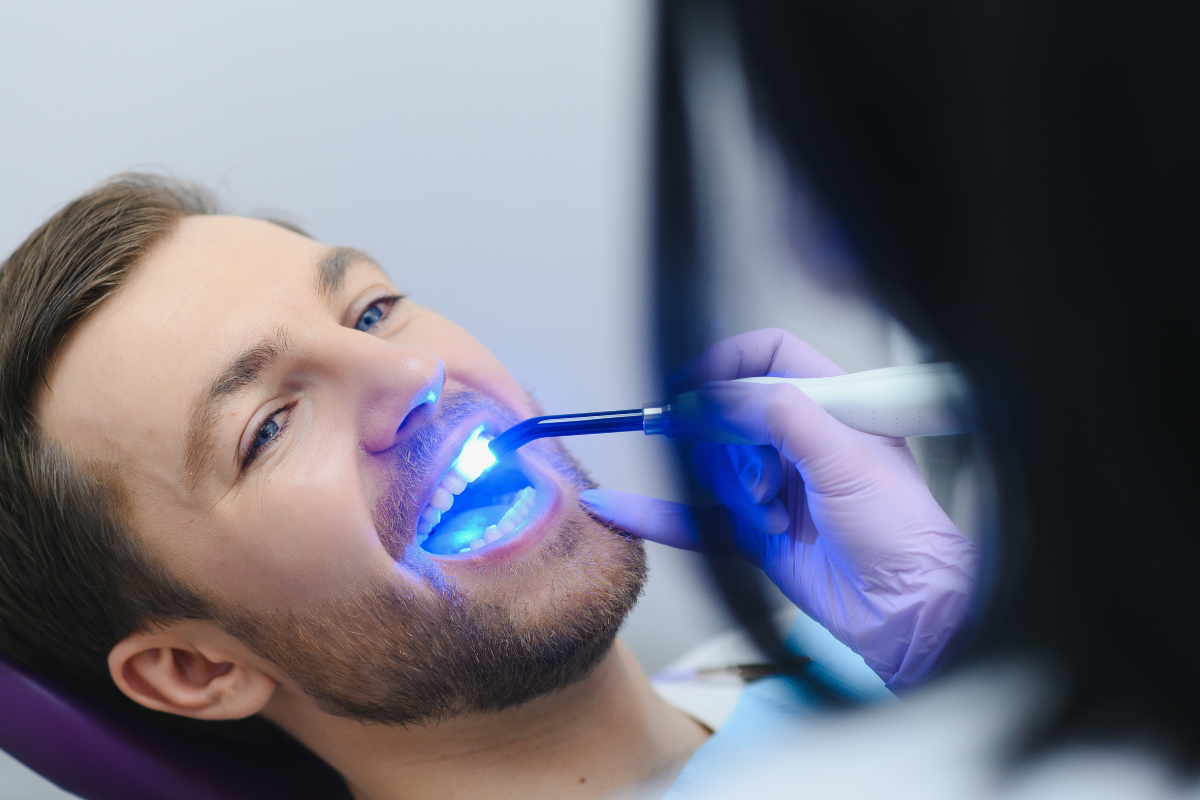
Have you ever tried whitening strips or another at-home product only to find that your teeth still look yellow or darker than you expected? Stubborn discoloration can be frustrating, especially when brushing regularly does not seem to make much difference. The reason may be that not all tooth stains develop in the same way.
Some discoloration sits primarily on the outer surface of your teeth, while other changes occur deeper within the tooth. The type, severity, and cause of the stain can all influence how well whitening works and what kind of results you can expect.
If you are considering teeth whitening Raleigh, patients can trust that understanding the difference between surface and deeper stains can help you choose the right approach. At Falls Pointe Dentistry, we provide professional whitening and personalized cosmetic dental care designed around your smile, your oral health, and your goals.
What Causes Deep Tooth Stains?
Tooth discoloration can happen for many reasons. Some stains develop gradually from everyday foods and drinks, while others are influenced by aging, medications, trauma, or changes within the tooth itself.
Common causes include:
- Coffee and tea
- Red wine
- Dark-colored beverages
- Tobacco use
- Certain foods
- Natural aging
- Some medications
- Childhood exposure to excessive fluoride
- Dental trauma
- Changes within the enamel or dentin
- Poor oral hygiene and plaque buildup
Falls Pointe Dentistry notes that tooth discoloration can result from dark foods and drinks, tobacco, aging, medications, health factors, and inadequate oral care.
Understanding the cause matters because professional whitening does not affect every type of discoloration in exactly the same way.
Can Professional Teeth Whitening Remove Deep Stains?
Professional whitening can improve many types of discoloration, including some stains that extend beyond the tooth’s outer surface. However, it cannot guarantee complete removal of every type of deep or intrinsic stain.
Professional whitening uses peroxide-based bleaching agents that work within the tooth to break down stain molecules. This is different from simply polishing the surface of a tooth.
Falls Pointe Dentistry uses Opalescence whitening products and states that the treatment can provide significant brightening, including results in as little as one visit depending on the patient’s needs and treatment goals.
However, the response depends on the underlying cause of discoloration.
That is why an evaluation with a dentist is important before assuming that stronger whitening is always the answer.
Surface Stains vs. Deep or Intrinsic Stains
One of the easiest ways to understand whitening results is to separate discoloration into two broad categories.
Extrinsic Stains: Discoloration on the Surface
Extrinsic stains develop primarily on the outside of the tooth.
Common causes include:
- Coffee
- Tea
- Red wine
- Tobacco
- Dark-colored foods
- Certain beverages
- Plaque buildup
These stains are often among the easiest types of discoloration to improve.
Professional cleaning may help remove some surface buildup, while professional whitening can further brighten the natural tooth color.
Intrinsic Stains: Discoloration Within the Tooth
Intrinsic discoloration develops within the tooth rather than simply sitting on the surface.
Possible causes include:
- Certain medications
- Dental trauma
- Fluorosis
- Changes associated with tooth development
- Aging-related changes within the tooth
- Certain internal dental conditions
Intrinsic stains may respond to professional whitening, but they can be more challenging to treat than ordinary surface stains.
Falls Pointe Dentistry’s earlier educational content explains that intrinsic stains can sometimes be lightened but may require more time, while combination staining can involve both surface and deeper discoloration.
Why Some Deep Stains Are Harder to Whiten
Not every discolored tooth reacts to whitening in the same way.
A patient with years of coffee staining may see a noticeable improvement, while someone with discoloration caused by trauma or certain medications may experience a more limited response.
Several factors can affect your outcome.
The Cause of the Stain
The underlying cause is one of the most important considerations.
A stain caused by coffee may respond differently from discoloration associated with medication or tooth trauma.
How Long the Stain Has Been Present
Long-term discoloration can be more difficult to address than newer staining.
This does not mean professional whitening cannot help. It simply means that expectations should be based on the individual tooth and the reason it has changed color.
Your Natural Tooth Color
Everyone’s natural tooth shade is different.
Professional whitening can brighten natural teeth, but the final shade is influenced by your starting point, enamel characteristics, and the type of discoloration involved.
Existing Dental Restorations
Whitening works on natural tooth structure. It does not whiten materials such as crowns, veneers, or many tooth-colored restorations in the same way it affects natural enamel.
This can become important if you have visible dental work in your smile.
If your natural teeth become lighter while an older restoration remains the same shade, the restoration may become more noticeable.
Can Whitening Remove Stains From Crowns or Veneers?
Generally, professional whitening is intended to change the color of natural teeth rather than whiten existing crowns or veneers.
If you have visible restorations, your dentist should evaluate them before whitening.
This can help you understand:
- Which teeth are likely to respond
- Whether existing restorations may look different after whitening
- Whether restoration replacement should be considered
- What shade may be appropriate for future cosmetic dental work
Falls Pointe Dentistry offers both professional teeth whitening and other cosmetic services, including porcelain veneers, so patients with more complex discoloration can discuss alternatives if whitening alone is not enough.
Why Professional Whitening Can Be Better for Stubborn Stains
Store-bought whitening products may help some people, particularly when discoloration is mild and primarily surface-related. However, professional whitening provides an important advantage: your treatment is planned around your teeth.
A dental professional can first determine whether whitening is appropriate and then recommend an approach based on your smile.
Benefits of professional whitening may include:
- Professional-strength whitening products
- More consistent coverage
- Personalized treatment recommendations
- Evaluation of your teeth and gums before treatment
- Guidance for managing sensitivity
- Better understanding of what results are realistic
- Follow-up recommendations when appropriate
Raleigh dental practices currently promoting professional whitening commonly emphasize customized treatment, professional supervision, and the difference between professional products and over-the-counter options.
What Happens Before Professional Teeth Whitening?
Whitening should not simply begin with applying a bleaching product.
A dental evaluation can help determine whether your teeth and gums are healthy enough for cosmetic treatment.
Your dentist may evaluate:
Your Teeth
The dental team can look for:
- Cavities
- Cracks
- Worn enamel
- Existing restorations
- Tooth sensitivity
- Discoloration patterns
Your Gums
Healthy gums are an important part of cosmetic dental treatment.
If you have active gum inflammation or another oral health concern, your dentist may recommend addressing it before whitening.
Your Existing Dental Work
Crowns, veneers, fillings, or other restorations may influence your whitening plan and expected results.
Your Whitening Goals
You may want a subtle improvement or a significantly brighter smile.
Discussing your expectations helps your dentist determine whether whitening alone is appropriate or whether another cosmetic treatment should be considered.
What If Professional Whitening Doesn’t Remove the Stain?
This is an important question because whitening is not a universal solution for every type of discoloration.
If a stain does not respond adequately, your dentist can investigate why.
Depending on the cause, alternatives may include:
- Dental bonding
- Porcelain veneers
- Replacement of visible restorations
- Other cosmetic restorative treatments
- A combination of cosmetic procedures
The appropriate option depends on the condition of the tooth and the type of discoloration.
For example, if a single tooth has significant internal discoloration following trauma, simply repeating whitening treatments may not produce the result you want. Your dentist can discuss whether another cosmetic approach would be more predictable.
Can Deep Yellow Teeth Still Be Whitened?
In many cases, yes.
Yellowish teeth can develop as enamel naturally changes with age, and the underlying dentin becomes more visible. Lifestyle staining can also contribute to a darker appearance.
Professional whitening may significantly brighten natural teeth affected by these changes.
However, the goal should be realistic improvement rather than promising that every tooth will reach an identical shade.
Your dentist can help you understand what degree of whitening is appropriate for your smile.
How Long Do Professional Whitening Results Last?
Whitening is not permanent.
Your teeth can gradually pick up new stains from everyday habits after treatment.
Factors that can influence how long your results last include:
- Coffee and tea consumption
- Red wine
- Tobacco use
- Oral hygiene
- Diet
- Natural aging
- Individual staining tendencies
- Maintenance whitening when recommended
Falls Pointe Dentistry explains that whitening results vary based on lifestyle and oral hygiene, and recommends maintenance and follow-up as appropriate for individual treatment.
How Can You Keep Deep Stains From Coming Back?
Once your smile has been professionally whitened, your daily habits can help preserve the result.
Maintain Good Oral Hygiene
Brush regularly and clean between your teeth to reduce plaque and stain buildup.
Limit Stain-Causing Foods and Drinks
You do not necessarily have to eliminate coffee, tea, or other favorite foods. However, reducing frequent exposure can help minimize new discoloration.
Drink Water
Water can help rinse away food and beverage residue between meals.
Avoid Tobacco
Tobacco can contribute significantly to tooth discoloration and can negatively affect your overall oral health.
Keep Regular Dental Visits
Professional cleanings and routine dental examinations allow your dental team to monitor your teeth and address developing concerns.
When Should You Consider Professional Teeth Whitening?
Professional whitening may be worth considering if you:
- Are unhappy with yellow or stained natural teeth
- Have years of coffee or tea staining
- Want a brighter smile for an upcoming event
- Have tried over-the-counter whitening without the results you wanted
- Want professional guidance before whitening
- Want to improve your smile without extensive cosmetic treatment
However, the best way to determine whether whitening is appropriate is through a dental evaluation.
Why Choose Falls Pointe Dentistry for Teeth Whitening in Raleigh?
Choosing a local dental practice for whitening gives you more than access to a whitening product.
At Falls Pointe Dentistry, we provide professional teeth whitening along with general, restorative, and cosmetic dental services. Our Raleigh practice uses Opalescence whitening products and can help determine whether professional whitening fits your needs and goals.
Our services also include cosmetic options such as porcelain veneers, which may be considered when certain discoloration or other smile concerns cannot be adequately addressed through whitening alone.
This comprehensive approach can be particularly helpful if you are dealing with stubborn or uneven discoloration.
Rather than repeatedly trying stronger products on your own, you can have your teeth evaluated and receive recommendations based on the actual cause of the discoloration.
Frequently Asked Questions
Can professional teeth whitening remove deep stains?
Professional whitening can improve many types of discoloration and may lighten some intrinsic stains. However, certain deep or internal stains may not respond completely. Your dentist can determine the likely cause and recommend the most appropriate treatment.
Why are my teeth still yellow after whitening?
Several factors can contribute to persistent yellowing, including intrinsic discoloration, natural tooth color, aging, or stains that do not respond fully to bleaching. Existing restorations can also appear different from natural teeth after whitening.
Can whitening remove stains caused by coffee and tea?
Yes. Coffee and tea commonly contribute to extrinsic tooth staining, which can often respond well to professional whitening. Results vary depending on the severity and duration of the discoloration.
Will teeth whitening work on crowns or veneers?
Whitening is designed primarily for natural teeth. Crowns and veneers generally do not change color through conventional whitening treatment. If visible restorations no longer match your desired tooth shade, your dentist can discuss appropriate cosmetic options.
What if whitening does not give me the results I want?
If whitening does not adequately address your discoloration, your dentist can determine why and discuss alternatives such as bonding, veneers, or restorative treatment when appropriate.
A Brighter Smile Starts With Knowing What Is Causing the Stain
Deep or stubborn tooth discoloration does not always mean that whitening will not work. Professional whitening can significantly improve many types of staining, but the results depend on the cause, depth, condition of your teeth, and presence of existing restorations.
That is why professional evaluation matters.
At Falls Pointe Dentistry, we provide personalized teeth whitening raleigh, North Carolina, using professional products and treatment recommendations tailored to individual smiles. Our team can help determine whether whitening is appropriate, what kind of results you may reasonably expect, and whether another cosmetic option would better address your concerns.
If stubborn stains are keeping you from smiling confidently, you do not have to keep guessing which whitening product to try next. Schedule a consultation with our dental team and find out what may be possible for your smile.
Contact Now with Falls Pointe Dentistry and take the next step toward a brighter, more confident smile.