Your First Visit


July, 2026
Why Some People Get Cavities More Easily Than Others
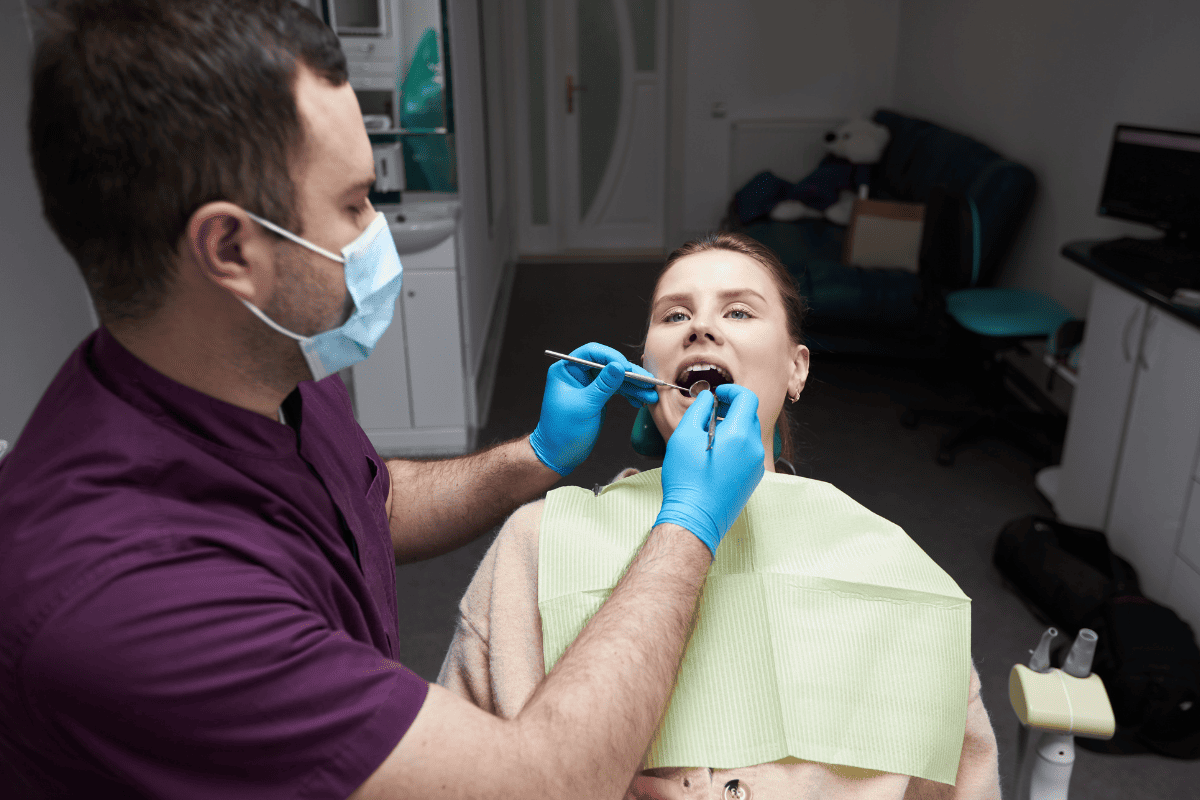
At our practice, one of the questions we hear most often is, “Why do I keep getting cavities when I brush and floss every day?” It can be frustrating to take good care of your teeth while someone else seems to avoid tooth decay despite having less-than-perfect oral hygiene habits.
The truth is that cavities are not caused by just one factor. While daily brushing and flossing are essential, your risk of developing tooth decay is also influenced by genetics, saliva production, enamel strength, diet, oral bacteria, lifestyle habits, and even certain medical conditions. Understanding these factors allows us to create personalized prevention plans that help protect your smile for the long term.
If you’re searching for a trusted Dentist in Raleigh, our team is here to help identify your unique cavity risk and recommend preventive solutions tailored to your oral health needs. By catching potential problems early, we can often help you avoid more extensive dental treatment in the future.
What Is a Cavity?
A cavity is a permanently damaged area of a tooth caused by bacterial decay.
When bacteria in your mouth feed on sugars and carbohydrates left behind after eating or drinking, they produce acids that gradually weaken your tooth enamel. As the enamel breaks down, a small hole begins to form. Without treatment, that decay can spread deeper into the tooth, eventually causing pain, infection, or even tooth loss.
The good news is that regular dental visits allow us to detect cavities in their earliest stages, often before they cause noticeable symptoms.
Why Some People Are More Prone to Cavities
Every smile is unique, and no two patients have the same level of cavity risk.
Even when two people follow similar oral hygiene routines, factors such as tooth structure, saliva quality, eating habits, and genetics can produce very different outcomes. That’s why we take the time to evaluate each patient’s individual risk factors instead of offering the same recommendations to everyone.
Understanding why cavities develop allows us to recommend preventive care that fits your specific needs.
Genetics Can Influence Your Oral Health
Many people are surprised to learn that genetics may play a role in how susceptible they are to tooth decay.
Some individuals naturally have:
- Stronger enamel
- Healthier saliva composition
- Lower levels of harmful oral bacteria
- Tooth surfaces that are easier to keep clean
Others may naturally have:
- Softer enamel
- Deep grooves in their molars
- Higher levels of cavity-causing bacteria
- Tooth shapes that trap food and plaque
Although we cannot change genetics, we can identify these risk factors during routine dental examinations and recommend preventive strategies that help reduce the likelihood of future cavities.
Saliva Plays an Important Role in Preventing Cavities
Saliva is one of your body’s best natural defenses against tooth decay.
Healthy saliva helps:
- Wash away food particles
- Neutralize harmful acids
- Strengthen tooth enamel
- Control bacterial growth
When saliva production decreases, bacteria and acids remain on the teeth longer, increasing the risk of cavities.
Common causes of dry mouth include:
- Certain prescription medications
- Dehydration
- Smoking or tobacco use
- Aging
- Diabetes and autoimmune conditions
If we notice signs of dry mouth during your examination, we can recommend treatments and lifestyle changes that help protect your teeth from future decay.
Your Diet Affects More Than You May Realize
Most people associate cavities with sugary foods, but it’s not only the amount of sugar you consume that matters. The frequency of sugar exposure throughout the day can have an even greater impact on your oral health.
Foods and beverages that commonly increase cavity risk include:
- Candy
- Cookies
- Soft drinks
- Sports and energy drinks
- Sweetened coffee and tea
- Sticky snacks
- Refined carbohydrates
Each time sugary foods are consumed, bacteria produce acids that attack your enamel for approximately 20 to 30 minutes.
Frequent snacking means your teeth may spend much of the day under repeated acid attacks. We often encourage patients to reduce unnecessary snacking, drink more water, and choose healthier alternatives whenever possible.
Proper Brushing Technique Matters
Brushing twice a day is important, but technique matters just as much as consistency.
During routine visits, we sometimes find that patients are:
- Brushing too quickly
- Missing certain tooth surfaces
- Skipping flossing
- Not cleaning along the gumline
- Using worn toothbrushes
Even small improvements in brushing and flossing technique can significantly reduce plaque buildup and lower cavity risk.
Our team is always happy to demonstrate proper brushing and flossing techniques during your appointment so you can feel confident you’re protecting your smile at home.
Fluoride Helps Strengthen Enamel
Fluoride is one of the most effective tools available for preventing cavities.
It helps strengthen enamel and makes teeth more resistant to acid attacks before permanent damage occurs.
Depending on your cavity risk, we may recommend:
- Fluoride toothpaste
- Professional fluoride treatments
- Fluoride mouth rinses
- Additional preventive care during routine visits
For patients who frequently develop cavities, these preventive measures can make a meaningful difference in protecting natural teeth.
Crooked Teeth Can Increase Your Risk
Tooth alignment also plays a role in cavity development.
When teeth overlap or are crowded, certain areas become difficult to clean thoroughly. Plaque and food particles can collect in these hard-to-reach spaces, increasing the risk of decay over time.
During your examination, we evaluate not only the health of your teeth but also how your bite and tooth alignment may affect your ability to maintain good oral hygiene. In some cases, orthodontic treatment may improve both your smile and your long-term oral health.
Part 2
Frequent Snacking Can Increase Cavity Risk
Many patients are surprised to learn that how often they eat can be just as important as what they eat.
Every time you snack, especially on sugary or starchy foods, bacteria in your mouth produce acids that attack your tooth enamel. When you snack frequently throughout the day, your teeth have less time to recover between these acid attacks.
Some habits that may increase your cavity risk include:
- Grazing throughout the day
- Frequently sipping sugary drinks
- Eating sticky snacks
- Consuming refined carbohydrates between meals
We encourage our patients to enjoy balanced meals, limit unnecessary snacking, and drink plenty of water to help rinse away food particles and support healthy saliva production.
Existing Dental Restorations Need Routine Monitoring
Fillings, crowns, and other restorations can last for many years, but they still require regular evaluation.
Over time, restorations may:
- Develop small gaps
- Experience normal wear
- Trap plaque and bacteria
- Allow decay to form underneath
During your routine checkups, we carefully examine existing dental work to ensure everything remains in good condition. Identifying small concerns early often prevents more extensive treatment later.
Cavity Risk Changes Throughout Life
Your risk of cavities isn’t the same at every stage of life. As your oral health needs change, so should your preventive care.
Children may experience cavities because of:
- Developing brushing habits
- Frequent sugary snacks
- Deep grooves in newly erupted molars
Adults often develop cavities due to:
- Gum recession
- Dry mouth
- Enamel wear
- Aging dental restorations
Older adults may be more susceptible because of:
- Root surface decay
- Reduced saliva production
- Medication-related dry mouth
- Changes in overall health
No matter your age, our team provides preventive care designed to meet your individual needs and help protect your smile.
Certain Medical Conditions Can Affect Oral Health
Many people don’t realize that their overall health can influence their risk of tooth decay.
Conditions that may contribute to cavities include:
- Diabetes
- Acid reflux
- Autoimmune disorders
- Eating disorders
Additionally, medications used to manage these conditions can reduce saliva production, making it easier for cavities to develop.
When we review your medical history, we consider how your overall health may be affecting your oral health so we can recommend the most appropriate preventive care.
Teeth Grinding Can Wear Down Enamel
Many patients grind or clench their teeth during sleep without realizing it.
Over time, this habit can:
- Wear away protective enamel
- Create small cracks
- Increase tooth sensitivity
- Make teeth more vulnerable to decay
If we notice signs of teeth grinding during your examination, we may recommend a custom nightguard to help protect your teeth from unnecessary wear and damage.
Why Some People Rarely Get Cavities
Although some individuals seem naturally resistant to cavities, they often benefit from several protective factors working together.
These may include:
- Strong enamel
- Healthy saliva production
- Good oral hygiene
- A balanced diet
- Lower levels of harmful bacteria
- Regular preventive dental visits
Even if you’re naturally more prone to cavities, you can still enjoy excellent oral health with the right preventive approach.
How We Help Prevent Cavities
At our practice, we believe prevention is always better than treatment.
We help our patients reduce their cavity risk by recommending simple, effective habits such as:
- Brushing twice a day with fluoride toothpaste
- Flossing every day
- Limiting sugary foods and beverages
- Drinking plenty of water
- Avoiding tobacco products
- Scheduling routine dental checkups
- Receiving professional fluoride treatments when appropriate
Small, consistent habits often have the biggest impact on long-term oral health.
Why Routine Dental Visits Matter
Even if your teeth feel perfectly healthy, routine dental visits remain one of the best ways to prevent cavities.
During your appointment, we can:
- Detect cavities before they become painful
- Evaluate enamel health
- Monitor your gums
- Check existing fillings and crowns
- Recommend preventive treatments based on your individual needs
Early diagnosis often means simpler, more conservative treatment while helping preserve your natural teeth.
Why Raleigh Patients Trust Preventive Dental Care
We understand how busy life can become, and it’s easy to postpone routine dental appointments until something begins to hurt.
However, preventive care offers many important benefits, including:
- Reducing the risk of painful cavities
- Protecting natural teeth
- Lowering future treatment costs
- Supporting long-term oral health
- Helping you maintain a confident smile
Our goal is to help every patient enjoy healthier teeth through personalized preventive care and ongoing education.
Why Choose Our Dental Team?
Choosing the right dental provider can make a significant difference in your long-term oral health.
At our practice, we focus on:
- Personalized preventive care
- Comprehensive dental examinations
- Modern diagnostic technology
- Patient education
- Comfortable, compassionate treatment
- Customized treatment plans
We take the time to understand your unique cavity risk and work with you to create a prevention plan that fits your lifestyle and oral health goals.
Frequently Asked Questions
Why do I keep getting cavities even though I brush every day?
Brushing is only one part of cavity prevention. Genetics, saliva production, enamel strength, diet, and oral bacteria can all affect your risk. We can help identify the underlying causes during your examination.
Can cavities be prevented completely?
While no one can guarantee complete prevention, maintaining excellent oral hygiene, eating a balanced diet, and visiting us regularly can significantly reduce your risk.
Does dry mouth increase cavity risk?
Yes. Saliva helps protect your teeth by neutralizing acids and washing away bacteria. Reduced saliva production increases the likelihood of tooth decay.
Are some people naturally more likely to get cavities?
Yes. Genetics can influence enamel strength, tooth shape, saliva quality, and bacterial levels, making some individuals more susceptible than others.
How often should I visit the dentist if I’m prone to cavities?
Depending on your individual needs, we may recommend more frequent preventive visits to monitor your oral health and help reduce your cavity risk.
Conclusion
While brushing and flossing remain essential, they’re only part of the picture when it comes to preventing cavities. Genetics, saliva production, diet, enamel strength, oral bacteria, and everyday habits all contribute to why some people develop tooth decay more easily than others. Understanding these factors allows us to create personalized preventive strategies that protect your smile for years to come.
For patients searching for a trusted Dentist in Raleigh, our team at Falls Pointe Dentistry is committed to helping you identify your unique cavity risk and providing preventive care tailored to your needs. Through comprehensive examinations, early diagnosis, and personalized treatment plans, we work to keep your smile healthy and cavity-free.
If you’ve been dealing with frequent cavities or want to take a more proactive approach to your oral health, Call Now to schedule your visit with our experienced team. We look forward to helping you protect your smile for years to come.