Your First Visit


June, 2026
How Often Should You Really Go to the Dentist: A Guide for Raleigh Residents?
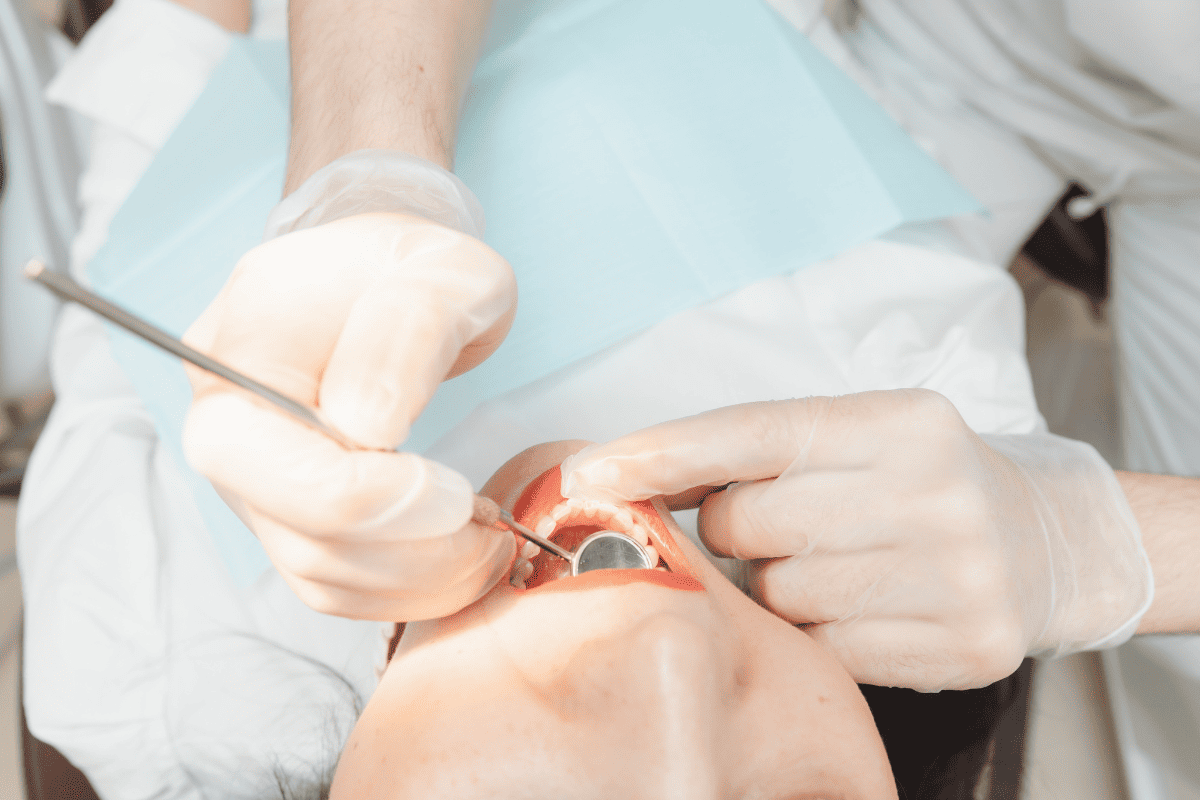
Many people only think about oral health when something starts to hurt. A sensitive tooth, bleeding gums, or sudden discomfort often prompts an appointment. However, waiting until a problem appears can allow minor concerns to become larger issues.
For families throughout Raleigh and surrounding North Carolina communities, preventive care remains one of the simplest ways to protect long-term oral health. While there is no universal schedule that fits everyone, most people benefit from regular visits that help identify concerns before they become more difficult to treat. A qualified dentist in Raleigh can evaluate your specific needs and recommend a schedule that supports a healthy smile throughout every stage of life.
Why Regular Dental Visits Matter More Than Most People Think
Many dental conditions begin without noticeable symptoms. Cavities, gum disease, enamel wear, and oral infections can develop quietly for months before discomfort appears.
Routine visits help uncover these issues early. They also provide an opportunity to remove plaque and tartar buildup that daily brushing cannot fully eliminate.
Benefits of regular preventive visits include:
- Early detection of tooth decay
- Monitoring gum health
- Professional cleaning of hard-to-reach areas
- Oral cancer screenings
- Evaluation of existing restorations
- Personalized home care recommendations
When preventive care becomes part of a long-term health routine, many patients experience fewer unexpected dental problems.
How Often Should Most Adults Schedule a Dental Checkup?
The traditional recommendation is every six months, and for many adults, that remains a practical guideline.
A routine dental checkup every six months allows your oral care provider to monitor changes, remove buildup, and identify concerns while they are still manageable.
However, six months is not a strict rule for everyone.
Several factors influence how often appointments should be scheduled:
- Current oral health status
- Risk of cavities
- Gum health
- Medical conditions
- Tobacco use
- Age
- Previous dental history
Some patients may need more frequent visits, while others with excellent oral health may require a different schedule.
Signs You May Need More Frequent Visits
Certain individuals benefit from appointments every three to four months.
These may include patients who:
- Have a history of gum disease
- Experience frequent cavities
- Have diabetes
- Use tobacco products
- Wear braces or orthodontic appliances
- Have weakened immune systems
More frequent monitoring allows potential issues to be addressed before they progress.
Children Have Different Oral Health Needs
Children’s teeth develop rapidly, making preventive care especially important during their early years.
Regular appointments help monitor:
- Tooth eruption patterns
- Bite development
- Early signs of decay
- Oral hygiene habits
- Orthodontic concerns
A scheduled dental checkup can help children become comfortable with professional care while supporting healthy habits that last into adulthood.
Why Prevention Matters for Young Smiles
Many childhood cavities can be prevented through:
- Professional cleanings
- Fluoride treatments
- Dental sealants
- Nutrition guidance
- Consistent oral hygiene education
Parents who prioritize preventive visits often help reduce the likelihood of more extensive treatment later.
What Happens During a Routine Appointment?
Many people avoid scheduling visits because they are unsure what to expect. Fortunately, preventive appointments are typically straightforward and comfortable.
A typical visit may include:
Comprehensive Examination
Your provider evaluates:
- Teeth
- Gums
- Existing restorations
- Jaw function
- Bite alignment
- Overall oral health
Professional Cleaning
Even excellent brushing habits cannot remove all hardened plaque deposits.
Professional cleanings help:
- Reduce buildup
- Lower cavity risk
- Support gum health
- Improve overall oral hygiene
Diagnostic Imaging When Needed
Digital X-rays may be recommended periodically to detect issues that cannot be seen during a visual examination.
These images help identify:
- Hidden decay
- Bone loss
- Impacted teeth
- Developing infections
Local Factors That Affect Oral Health
Residents across Raleigh and neighboring North Carolina communities face unique lifestyle factors that can influence oral health.
Busy work schedules, active family routines, sports participation, and frequent consumption of sweetened beverages can all increase the risk of cavities.
Whether spending weekends at the North Carolina Museum of Art trails, enjoying outdoor activities around William B. Umstead State Park, or attending community events downtown, maintaining consistent preventive care helps keep oral health from becoming an interruption to daily life.
For many local families, establishing a relationship with a nearby dental clinic makes it easier to stay on schedule throughout the year.
Common Signs It’s Time to Schedule an Appointment
Even if your next visit is not yet due, certain symptoms should never be ignored.
Contact a local dental practice if you experience:
- Persistent tooth sensitivity
- Bleeding gums
- Bad breath that does not improve
- Tooth pain
- Swollen gums
- Loose teeth
- Jaw discomfort
- Changes in your bite
Prompt attention can often prevent the need for more extensive treatment later.
Preventive Care Saves More Than Just Teeth
Many people view preventive visits as optional. In reality, they are one of the most effective ways to maintain overall oral wellness.
Consistent care can help:
- Preserve natural teeth longer
- Reduce the likelihood of complex procedures
- Improve gum health
- Support overall wellness
- Detect concerns early
A routine dental checkup often takes less time than treating an advanced dental condition.
How Falls Pointe Dentistry Helps Raleigh Families Stay Healthy
At Falls Pointe Dentistry, preventive care focuses on helping patients maintain healthy smiles at every stage of life.
The team takes time to understand each patient’s oral health history, risk factors, and long-term goals. Whether someone is due for a routine cleaning, is monitoring gum health, or is seeking guidance on preventive care, the office provides personalized recommendations according to your individual needs.
Patients searching for a dependable dentist in Raleigh often appreciate having a local team that emphasizes education, prevention, and long-term oral wellness.
Final Thoughts
There is no single answer for how often everyone should visit a dental professional. For many adults and children, visits every six months remain an effective guideline. Others may benefit from more frequent monitoring depending on their oral health needs.
The most important step is maintaining consistency. Regular preventive care helps identify problems early, supports healthier gums and teeth, and reduces the risk of unexpected dental concerns.
Contact Us To Schedule Your Next Visit Today.
If it has been a while since your last dental checkup, now is a great time to prioritize your oral health. Contact Falls Pointe Dentistry to book an appointment and take the next step toward a healthier, more confident smile.
Frequently Asked Questions
How do I know if I need dental visits more often than every six months?
Individuals with gum disease, frequent cavities, or certain medical conditions may benefit from more frequent monitoring. A professional evaluation can determine the ideal schedule based on current oral health and risk factors.
Are professional cleanings still necessary if brushing and flossing are done daily?
Yes. Home care is essential, but professional cleanings remove hardened plaque deposits that cannot be eliminated through brushing and flossing alone. Regular cleanings also allow early detection of developing concerns.
Can oral health problems develop without symptoms?
Many conditions begin silently. Cavities, gum disease, and other concerns may not cause discomfort until they become more advanced. Regular examinations help identify these issues before symptoms appear.
What should be done if gums bleed during brushing?
Bleeding gums may indicate inflammation or early gum disease. Scheduling an evaluation can help identify the cause and provide recommendations to improve gum health before the condition progresses.
Is preventive care important even when teeth feel healthy?
Absolutely. Preventive visits help maintain oral health, monitor changes over time, and reduce the likelihood of future complications. Consistent monitoring remains one of the most effective ways to protect natural teeth.