Your First Visit


March, 2025
Types of Sedation Used by Dentists: Which One Is Right for You?
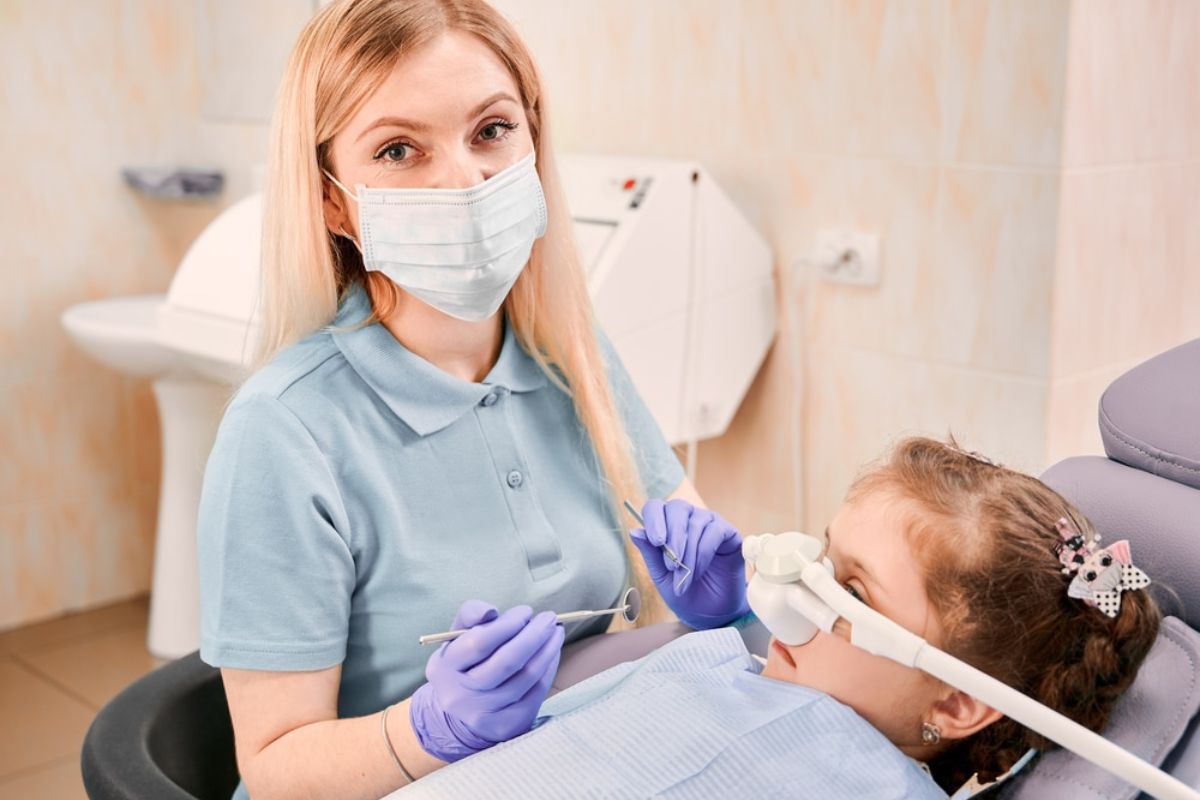
Visiting the dentist can bring anxiety for many people—whether it’s discomfort from past experiences, fear of pain, or general unease. For patients who feel nervous in the dental chair, sedation dentistry offers a safe and reliable way to stay calm and relaxed during treatment.
If you’re looking for a sedation dentist in Raleigh, it’s important to understand the different sedation types and how they’re used to improve comfort. Whether you need help managing anxiety, have a low pain threshold, or require extensive dental work, there’s likely a sedation method that suits your needs.
Understanding Sedation in Dentistry
Dental sedation involves using medication to help patients stay relaxed during procedures. It ranges from mild calming techniques to deeper forms of sedation for complex treatments. Each type serves a different purpose and is chosen based on the patient’s comfort level, the procedure’s complexity, and any health concerns.
1. Nitrous Oxide (Laughing Gas)
One of the most common forms of sedation, nitrous oxide is a colorless gas inhaled through a small mask placed over the nose. It takes effect within minutes and helps patients feel relaxed without putting them to sleep. Once the procedure is done, the effects fade quickly, allowing you to go about your day.
Best for: Mild dental anxiety, cleanings, and minor dental work.
Benefits:
- Fast onset and recovery
- Safe for both kids and adults
- Non-invasive option
2. Oral Sedation
Oral sedation involves taking a prescribed pill before the dental appointment. While you’ll remain conscious, the medication induces a deeply relaxed state and may cause drowsiness. Some patients don’t remember much of the visit, which can be ideal for those with high dental anxiety.
Best for: Moderate anxiety, fear of dental instruments or needles, and longer procedures.
Benefits:
- No need for IVs or injections
- Deeper relaxation than nitrous oxide
- Simple and effective
You’ll need someone to accompany you to and from the dental office, as the effects can linger for a few hours.
3. IV Sedation
With IV sedation, medication is administered directly into the bloodstream, providing deeper sedation that can be adjusted during the procedure. While you won’t be fully unconscious, you’ll likely have little to no memory of the experience.
Best for: Complex dental work, high anxiety, or patients who need multiple procedures in one visit.
Benefits:
- Immediate effect
- Adjustable sedation levels
- Enhanced comfort and cooperation
Recovery takes longer, and you’ll need assistance getting home afterward.
4. General Anesthesia (Used in Special Cases)
Reserved for extreme cases or surgical procedures, general anesthesia causes complete unconsciousness and is typically administered in a hospital or surgical center.
Best for: Major oral surgeries or patients with special needs who can’t be treated with lighter sedation.
Most general dentistry offices don’t offer this type, but referrals can be made if necessary.
Choosing the Right Sedation Method
There’s no one-size-fits-all approach to sedation. The right option depends on your anxiety level, medical history, and the complexity of the procedure. A sedation consultation gives your dental provider the chance to assess your needs and explain the pros and cons of each method.
If you’re unsure which path to take, be honest about your comfort levels. The more your dental team knows, the better they can create a stress-free experience.
Conclusion
Sedation dentistry plays a crucial role in helping patients get the care they need without fear or discomfort. Whether you choose nitrous oxide, oral sedation, or IV sedation, each method is designed to keep you calm and pain-free during your visit.
At Falls Pointe Dentistry in Raleigh, NC, patients have access to personalized sedation options and expert guidance to ensure a safe and positive dental experience. If anxiety has been keeping you from the dentist, now is the time to take the first step toward easier, more comfortable care.