Your First Visit


March, 2025
Tips To Help Children Have A Positive Dental Experience
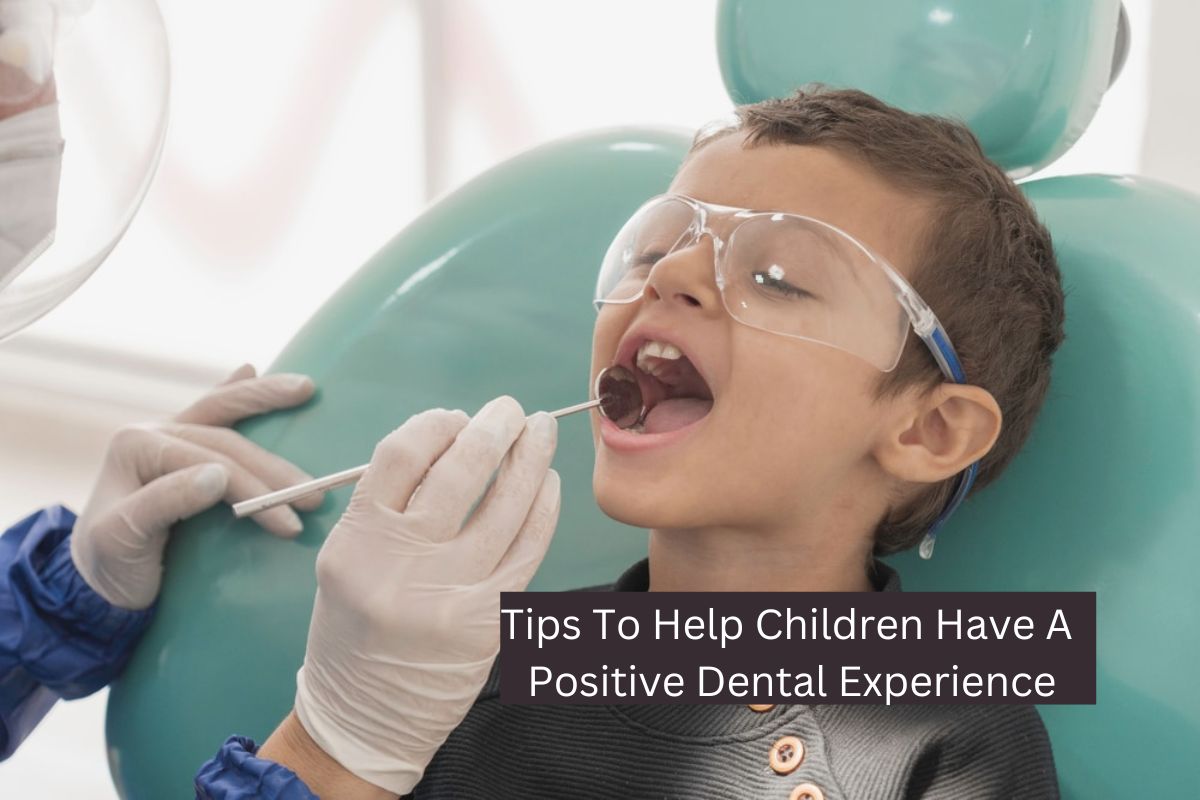
Creating positive dental experiences for children is crucial for their lifelong oral health. Early dental visits shape their attitudes and habits, so making them comfortable and stress-free is key. Here are some straightforward tips to help your child have a pleasant dental visit:
Early Start for Comfort:
Schedule your child’s first dental visit around their first birthday. This early introduction helps them become familiar with the dental office, reducing future anxiety.
Positive Language is Essential:
Avoid using scary words like “pain,” “shot,” or “drill.” Opt for child-friendly terms like “counting teeth” or “cleaning sugar bugs.” This maintains a positive outlook.
Choose a Pediatric Dentist:
A pediatric dentist specializes in treating children, creating a welcoming and comfortable environment. Their expertise ensures a smoother, less stressful visit.

Make Oral Care Fun at Home:
Turn brushing and flossing into enjoyable activities. Use colorful toothbrushes, flavored toothpaste, and sing fun songs. When kids enjoy oral care at home, they’ll feel more confident at the dentist.
Practice Before the Visit:
Role-play a dental visit at home. Let your child sit in a chair while you pretend to check their teeth. This prepares them for what to expect during the actual appointment.
Bring a Comfort Item:
A favorite stuffed animal or blanket can provide comfort during the appointment. Familiar items help ease nervousness and create a sense of security.
Schedule Appointments Wisely:
Book visits when your child is well-rested and not hungry. Morning appointments are often best, as children tend to be more cooperative earlier in the day.
Reward and Praise:
After the visit, offer praise and small rewards like stickers or a fun activity. Positive reinforcement encourages a positive attitude toward future appointments.
Avoid Transferring Anxiety:
Children pick up on parental fears. Stay calm and positive. If you have dental anxiety, consider having another trusted adult accompany your child.
Explain the Importance:
Teach children that dentists help keep their teeth strong and healthy. When they understand the benefits, they are more likely to cooperate.
Maintain a Routine:
Consistency builds trust. Visit the dentist every six months, so your child sees it as a normal part of life. Routine check-ups prevent problems and reinforce good habits.
By following these tips, you can help your child develop a positive attitude toward dental care and establish a foundation for lifelong oral health.